
Buying guide
Best Aquarium Substrate for a Planted Tank: 7 Practical Picks
For most planted tanks, Seachem Flourite Black is the least complicated choice. Aquasoils such as UNS Controsoil and ADA Amazonia make more sense when you want buffering and a nutrient-rich start.
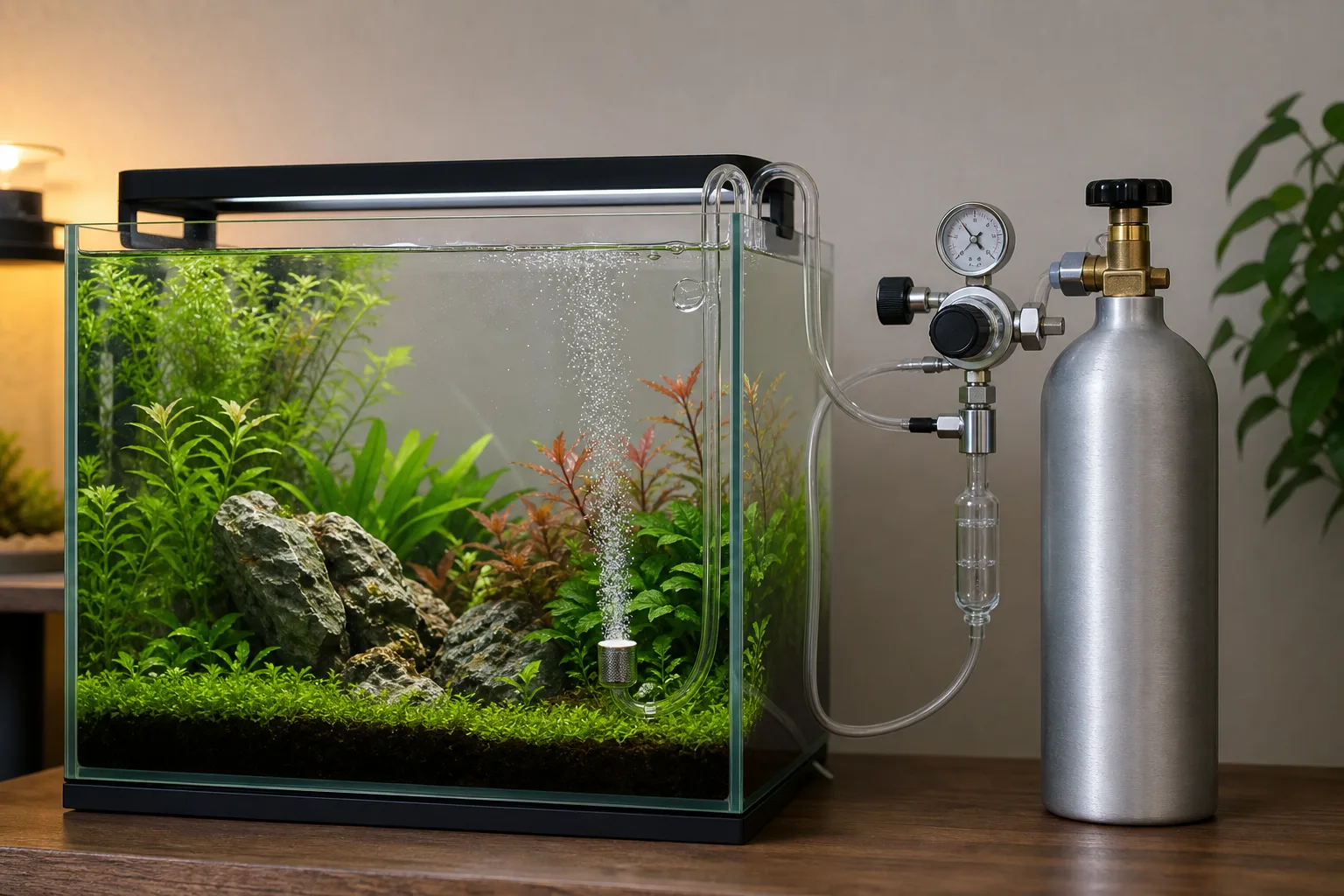
Quick comparison
| Product | Best for | Main advantage | Main drawback |
|---|---|---|---|
| Seachem Flourite Black | Most low-tech tanks | Stable, pH-neutral clay gravel | Dust on setup |
| Seachem Flourite Black Sand | Fine dark base | Smooth appearance | Can compact |
| Fluval Plant and Shrimp Stratum | Shrimp and rooted plants | Lightweight soil granules | Soft, pH-lowering granules |
| UNS Controsoil | High-tech aquascapes | Consistent aquasoil granules | Eventually depletes |
| ADA Aqua Soil Amazonia Ver.2 | Nutrient-rich starts | Strong plant support | Requires careful cycling |
| CaribSea Eco-Complete Planted | Mineral gravel | Dark, simple layout | Root tabs may be needed |
| CaribSea Super Naturals Peace River | Bottom dwellers | Smooth sand | Not nutrient-rich |
Best overall: Seachem Flourite Black
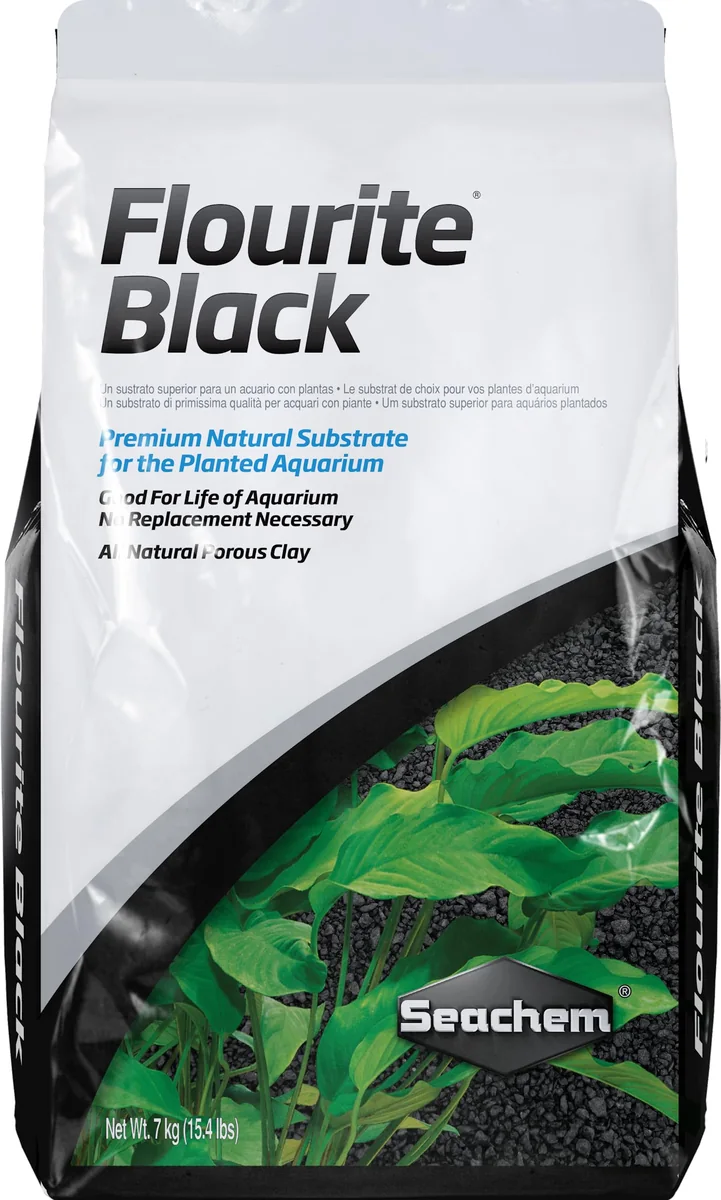
Seachem describes Flourite Black as stable porous clay gravel that does not alter pH and does not need replacement. That makes it a sensible default for a first planted tank, especially when you want to keep your water chemistry predictable. It is not a complete fertilizer bed, so heavy root feeders may still need root tabs. Rinse it well. The manufacturer says residual dust can cloud a new aquarium.
Pros: stable for the life of the aquarium; works alone; natural dark color.
Cons: dusty during setup; roots receive less immediate nutrition than in aquasoil.
Best fine-grain option: Seachem Flourite Black Sand
This is the finer companion to Flourite Black. It suits aquarists who want a dark, low-contrast floor and plants that can root in a smaller grain. Fine sand needs care around compacting. Avoid pressing it into a very deep bed, and use root tabs for hungry plants. It is a mineral base, not a rich soil.
Pros: clean appearance; mineral composition; easy long-term chemistry.
Cons: fine particles can compact; carpeting success still depends on light, carbon, and nutrients.
Best for shrimp: Fluval Plant and Shrimp Stratum
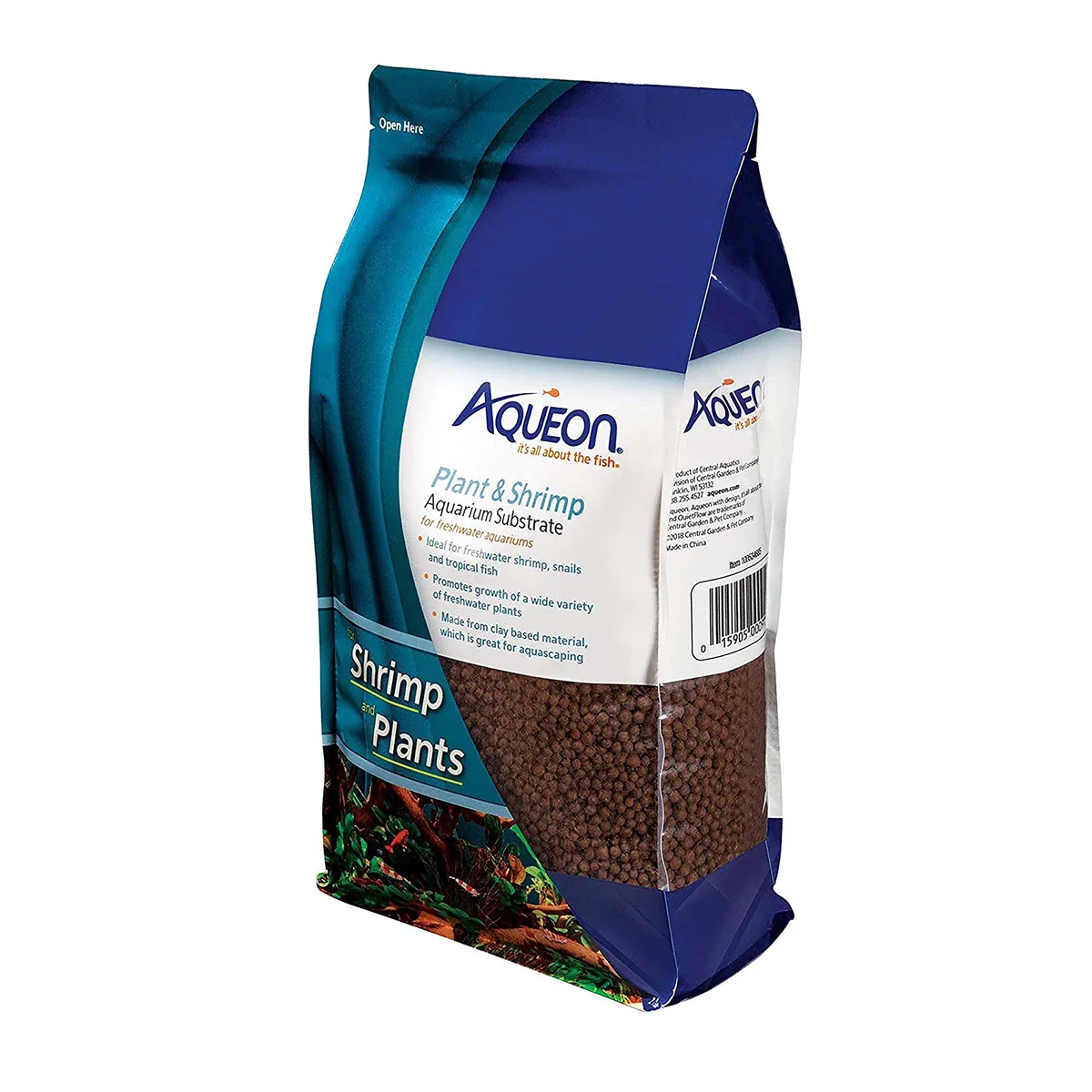
Fluval’s lightweight soil is designed around planted and shrimp aquariums. Its soft granules are easy to plant into and can lower pH. That is useful for livestock that prefers softer, more acidic water, but it means you should measure your source water before filling the tank. The granules can break down sooner than hard clay gravel, and tall stems may need careful planting.
Pros: shrimp-friendly intent; easy planting; useful buffering behavior.
Cons: soft granules; chemistry is not neutral.
Best for a high-tech aquascape: UNS Controsoil
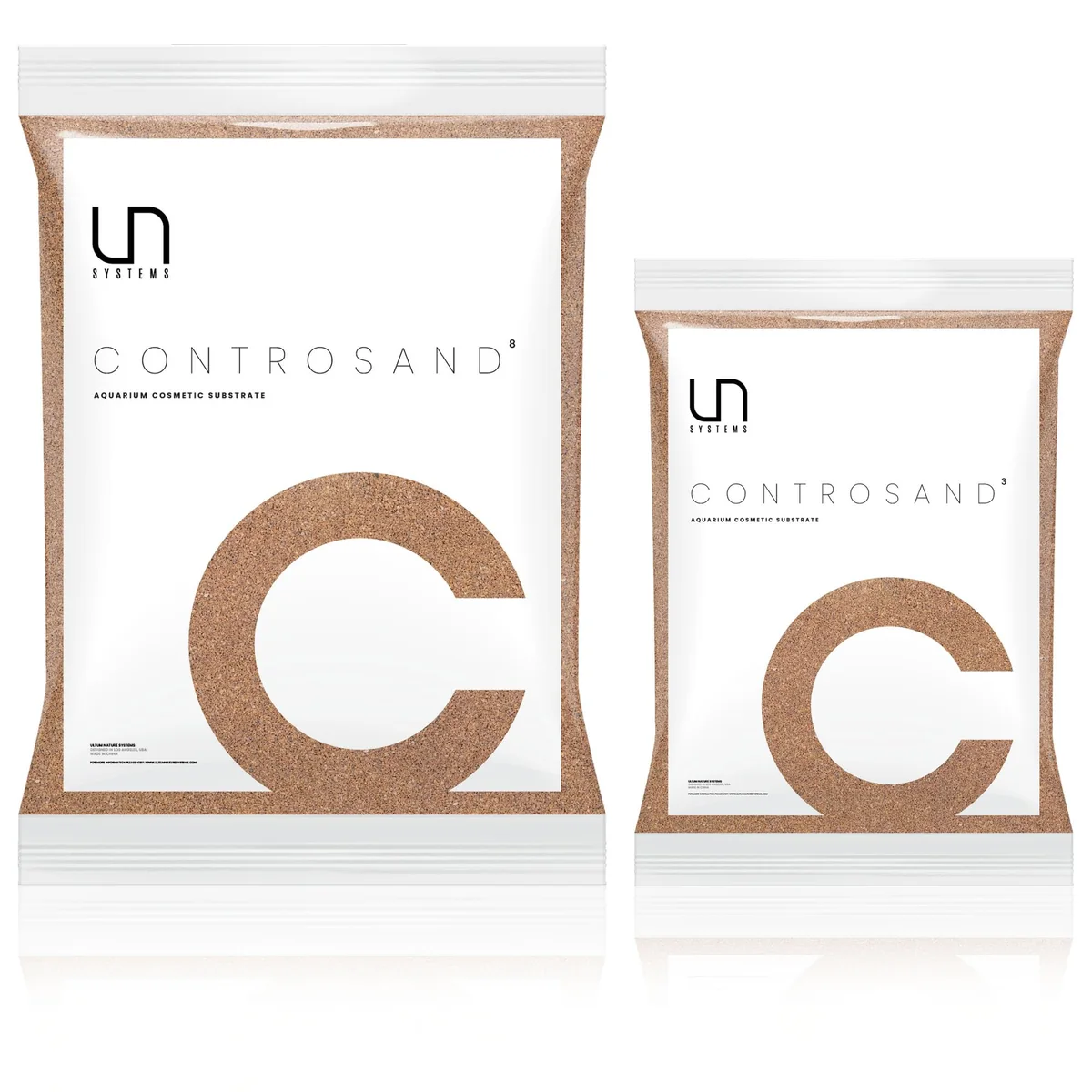
UNS Controsoil is an aquasoil for layouts where plants, light, and injected carbon work together. It gives you a uniform dark granule and a planted-tank-focused base. Expect the water chemistry to shift and the soil to lose some of its original buffering over time. It is a poor fit if you need an inert floor that never changes water parameters.
Pros: tidy granules; good fit for planted layouts; pairs naturally with CO2.
Cons: finite service life; can lower pH and hardness.
Best nutrient-rich start: ADA Aqua Soil Amazonia Ver.2
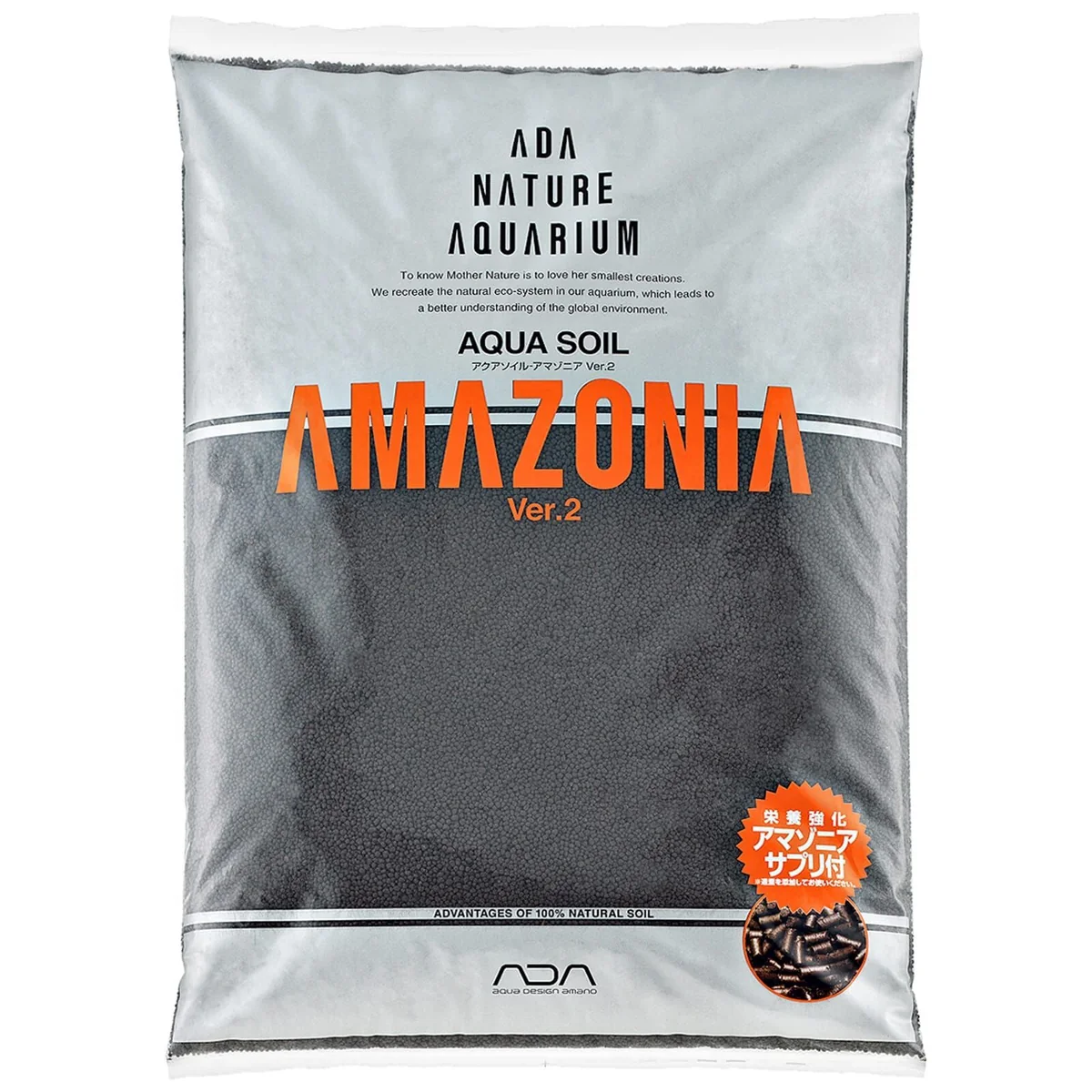
ADA Amazonia is for the aquarist willing to cycle a new setup before adding animals. The independent comparison linked below reports that ADA’s manual warns of ammonium and nitrite after adding the included supplement; we have not independently checked that manual. That is a feature of a rich soil, not a reason to stock fish immediately. Test ammonia and nitrite and follow ADA’s instructions. An inert substrate avoids this additional nutrient-release concern, but it does not remove the need to establish biological filtration before stocking.
Pros: rich start for demanding plants; established aquascaping choice.
Cons: fishless cycling is essential; it changes water chemistry.
Best mineral gravel alternative: CaribSea Eco-Complete Planted
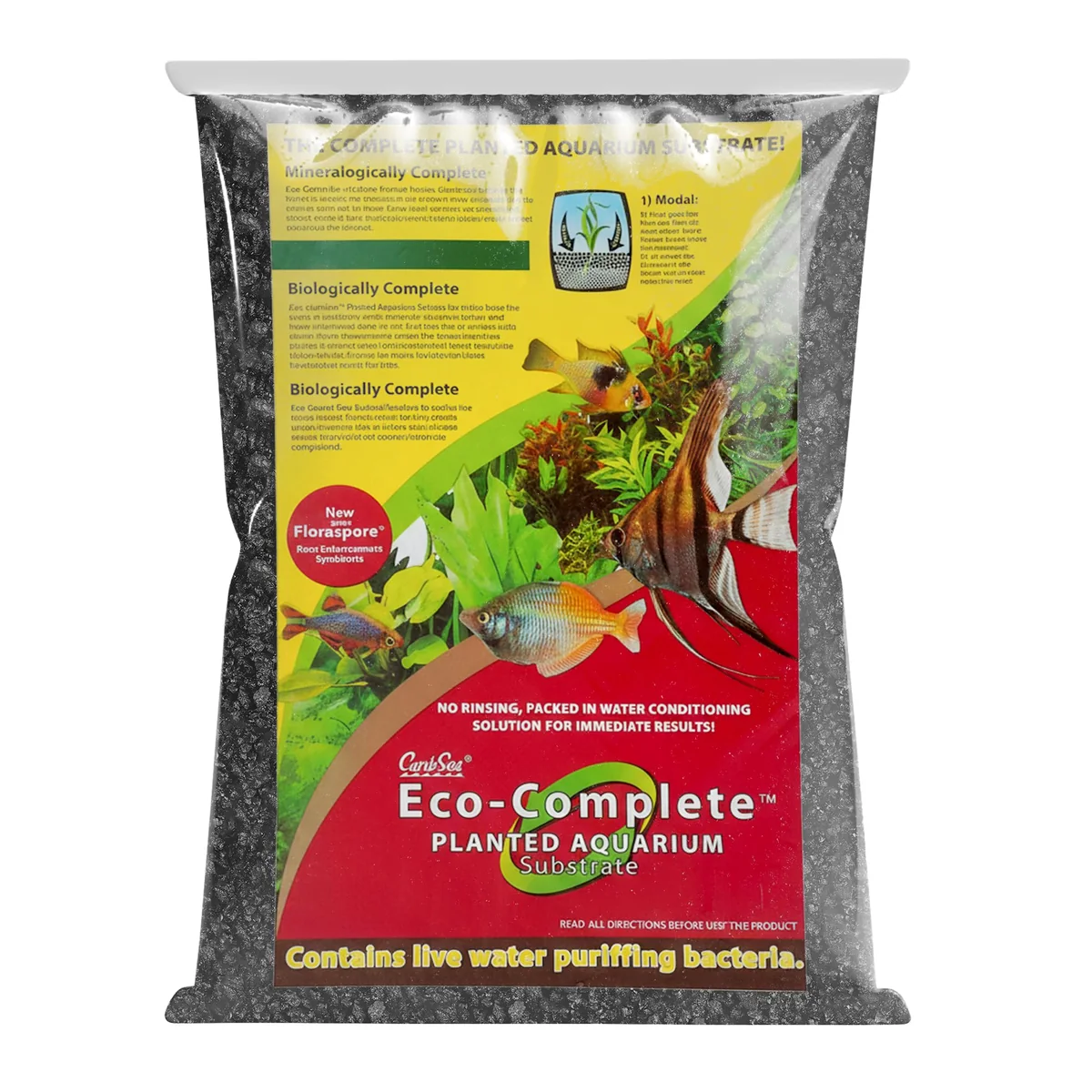
Eco-Complete is a dark mineral gravel that keeps the setup straightforward. It does not provide the same nutrient-rich behavior as an aquasoil, so root feeders may need tabs. That tradeoff is useful for beginners who want a stable-looking floor without learning aquasoil maintenance. Check the current bag description before purchase because packaging and product descriptions can vary by market.
Pros: simple mineral base; attractive dark color.
Cons: less initial nutrition; supplemental feeding may be necessary.
Best for corydoras and other bottom dwellers: CaribSea Peace River
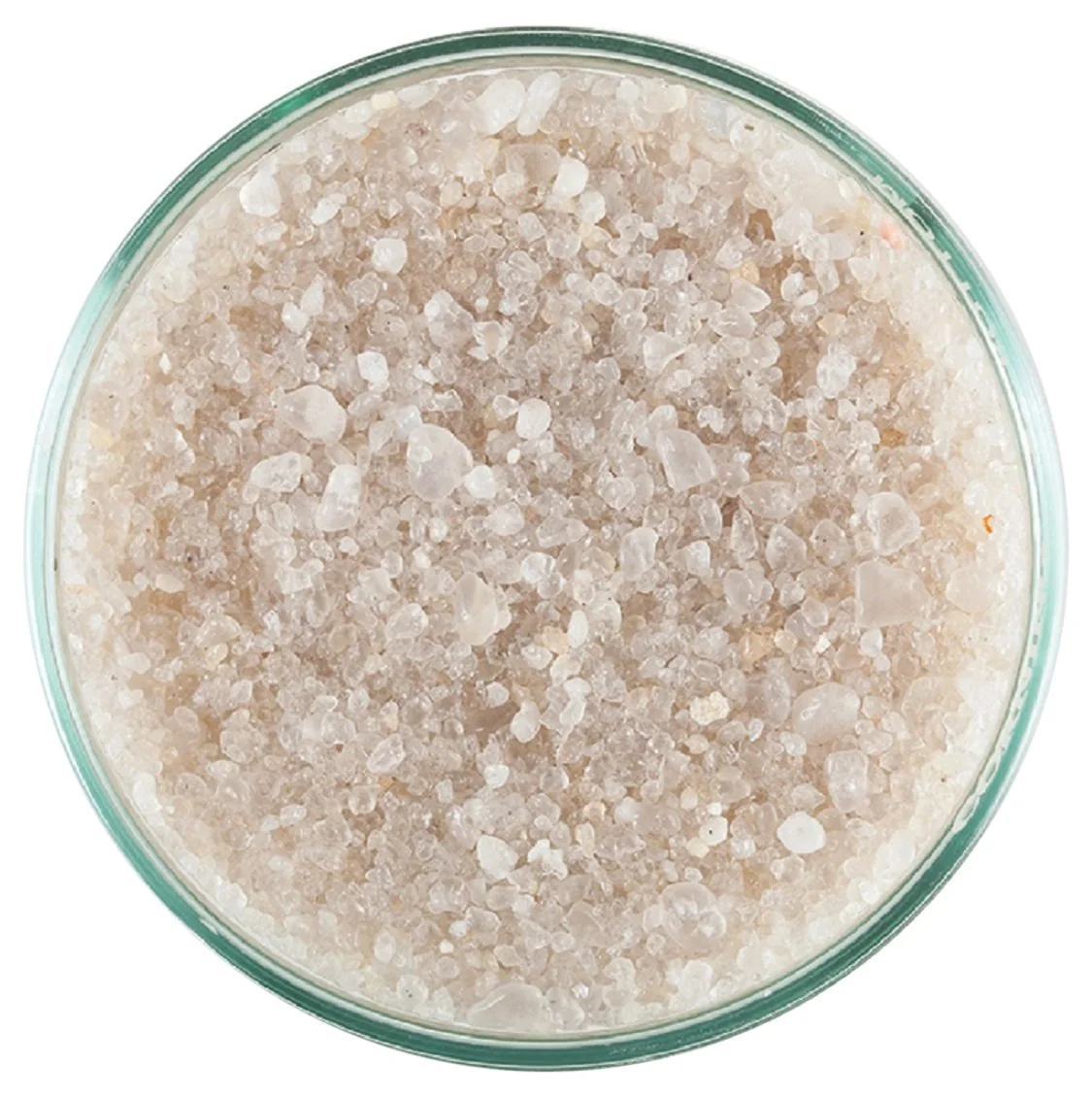
Peace River is a smooth, light-colored sand. CaribSea’s FAQ identifies it as a favorite for bottom-dwelling fish. It is not a planted soil, so pair it with root tabs or a nutrient layer if you plan to grow heavy feeders. Its appeal is fish comfort and a natural riverbed look, not maximum plant nutrition.
Pros: smooth grains; good bottom-dweller fit; natural look.
Cons: roots need added nutrition; sand can compact when over-deep.
What to look for
Choose inert gravel when stable pH matters more than a rich start. Choose aquasoil when you can test water, cycle patiently, and accept a finite replacement interval. Grain size affects anchoring and fish safety. A dark floor hides detritus less than black marketing photos suggest, so plan gentle siphoning. Match the base to your light and carbon plan. A nutrient-rich soil cannot compensate for weak light, and strong light over a low-carbon tank often creates algae pressure.
Frequently asked questions
Is aquasoil required for planted tanks?
No. Easy plants grow in inert gravel or sand when they receive suitable light and nutrients. Root tabs help plants that feed heavily through their roots.
Should I rinse planted substrate?
Follow the product instructions. Flourite commonly needs rinsing because dust is normal. Some aquasoils are better handled gently because aggressive washing removes fines.
Which substrate is safest for a first tank?
Flourite Black is the simplest chemistry choice. If you choose aquasoil, cycle and test before adding animals.
Can I mix sand and aquasoil?
Yes, but understand the maintenance tradeoff. Sand can migrate into soil and make replanting harder. Use a deliberate border or separate zones.
Recommendation
Pick Flourite Black for a stable, low-tech planted tank. Pick UNS Controsoil or ADA Amazonia when you are deliberately building a high-tech aquascape and will manage cycling and water chemistry. For bottom dwellers, Peace River is the more fish-focused choice.
Sources and methodology
This guide uses manufacturer specifications from Seachem, Fluval, UNS, ADA, and CaribSea, plus the Real Buyer Experiences comparison. We did not perform hands-on testing. Product availability and specifications can change, so verify the exact bag and size before checkout.
Read next: best aquarium light for a planted tank and best aquarium CO2 system for beginners.