
Buying guide
Best Aquarium CO2 System for Beginners: 7 Safer Starting Points
For a small tank, Fluval Bio-CO2 is the least intimidating starting point. For repeatable dosing and room to grow, a pressurized CO2Art regulator with a refillable cylinder is the better long-term route.
Quick comparison
| Product | Best for | Main advantage | Main drawback |
|---|---|---|---|
| Fluval Bio-CO2 Pro | Small tanks | Biological, packaged setup | Limited output |
| Fluval Pressurized CO2 Kit 95 g | Compact pressurized setups | Small footprint | Disposable cylinders |
| CO2Art Pro-SE Series Regulator | Scalable setups | Solenoid and dual-stage design | Cylinder sold separately |
| CO2Art Pro-Elite Complete Kit | One-box pressurized route | Complete component set | Higher upfront cost |
| FZONE Aquarium CO2 Regulator | Budget regulators | Paintball-cylinder compatibility | Fittings vary |
| UNS Mini CO2 Regulator | Nano tanks | Compact format | Small capacity |
| Dennerle Bio CO2 Starter Kit | Simple biological CO2 | Beginner-oriented instructions | Variable output |
Best gentle start: Fluval Bio-CO2 Pro
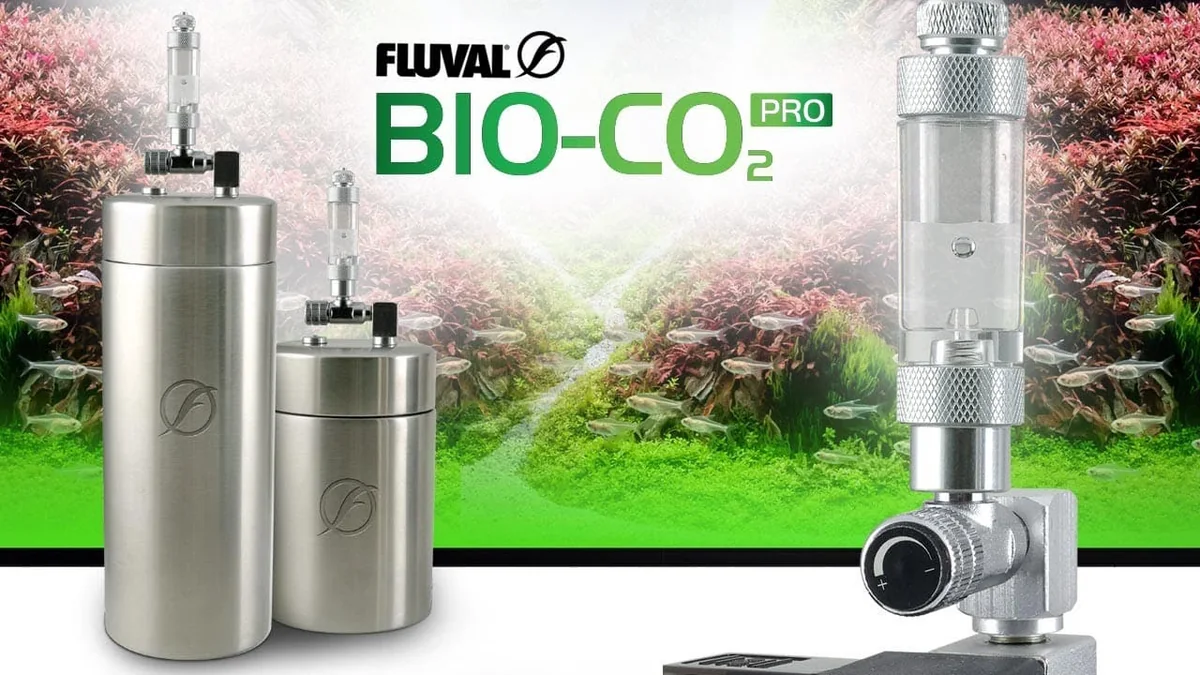
Fluval’s Bio-CO2 system uses biological production and packaged delivery. That removes the regulator-and-cylinder decisions that stop many first-time users. It is most appropriate for small planted aquariums. Biological output is not as easy to tune as a pressurized regulator, and the refill schedule matters. Treat it as a modest carbon boost, not a high-tech replacement.
Pros: approachable setup; no high-pressure cylinder selection.
Cons: less predictable output; limited scale.
Compact pressurized option: Fluval Pressurized CO2 Kit 95 g
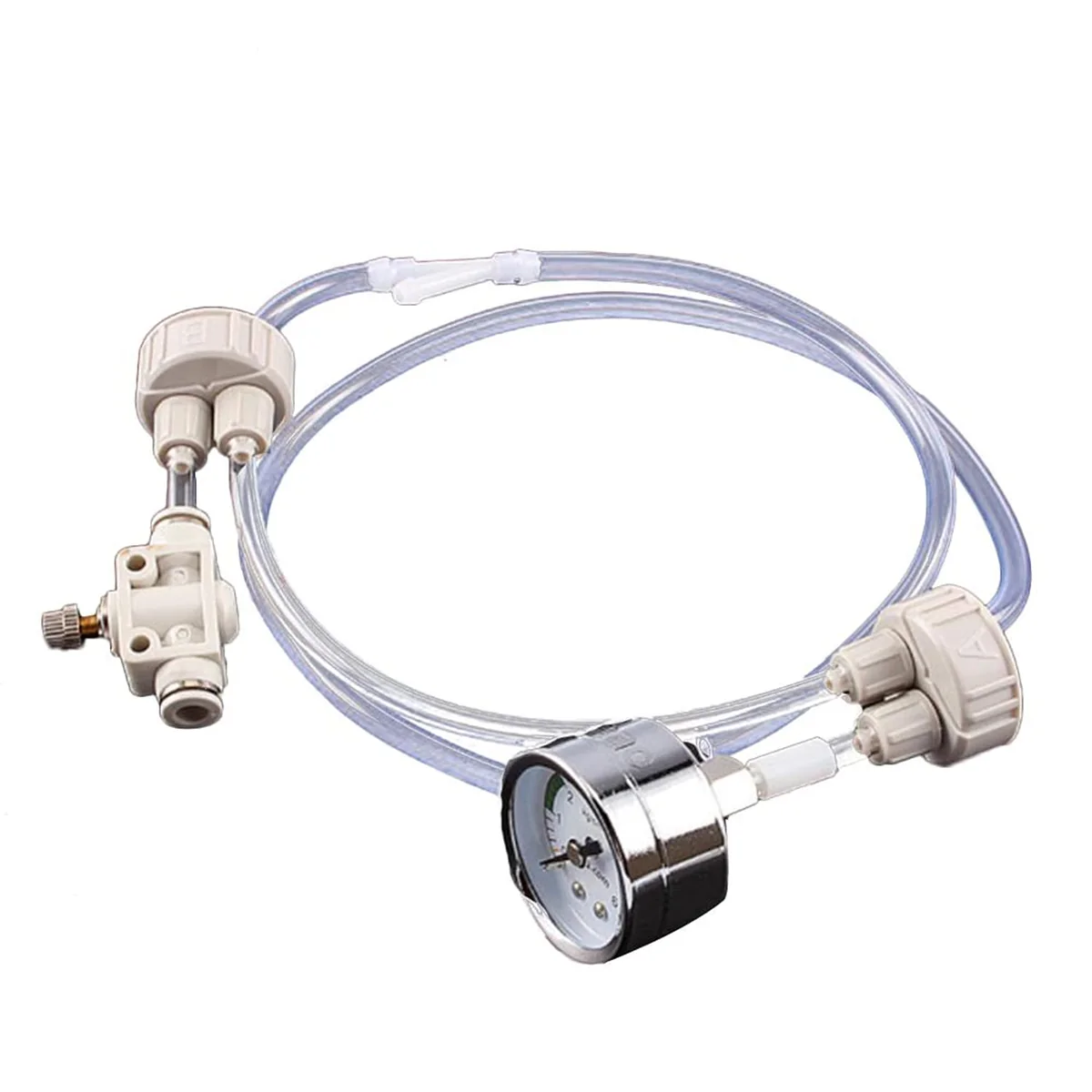
The 95 g kit keeps pressurized CO2 in a compact format. It fits a buyer who wants a small cylinder and a packaged route into injection. The tradeoff is consumables. Small disposable cylinders need replacing more often than a refillable bottle, and the exact diffuser and replacement parts should be checked before ordering.
Pros: compact; familiar packaged system.
Cons: disposable cylinder format; limited tank-size range.
Best long-term regulator: CO2Art Pro-SE
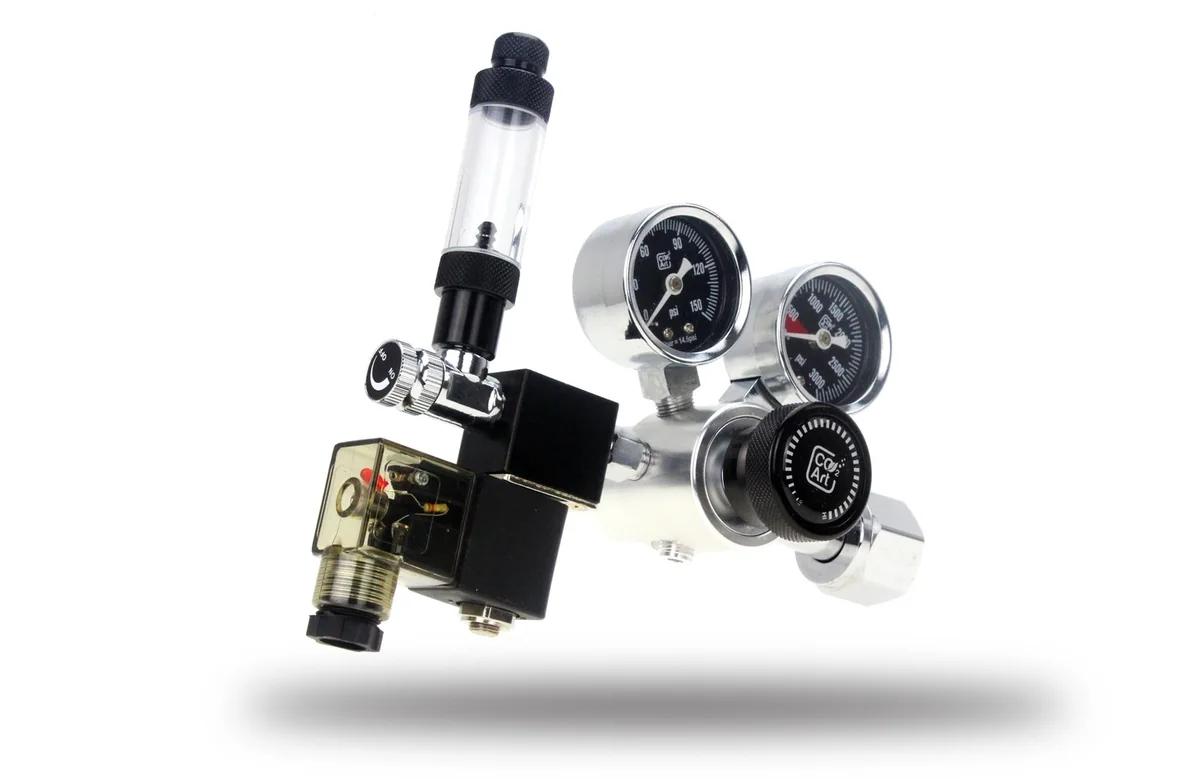
CO2Art’s Pro-SE is a sensible foundation when the goal is stable, repeatable dosing. A regulator with a solenoid can turn CO2 off with the light schedule, while a dual-stage design is intended to reduce pressure creep as the cylinder empties. You still need a compatible cylinder, tubing, diffuser, and check valve. Confirm the CGA connection for the cylinder available in your country.
Pros: scalable; solenoid; built for refillable-cylinder setups.
Cons: more parts to assemble; connector compatibility matters.
Best complete pressurized route: CO2Art Pro-Elite
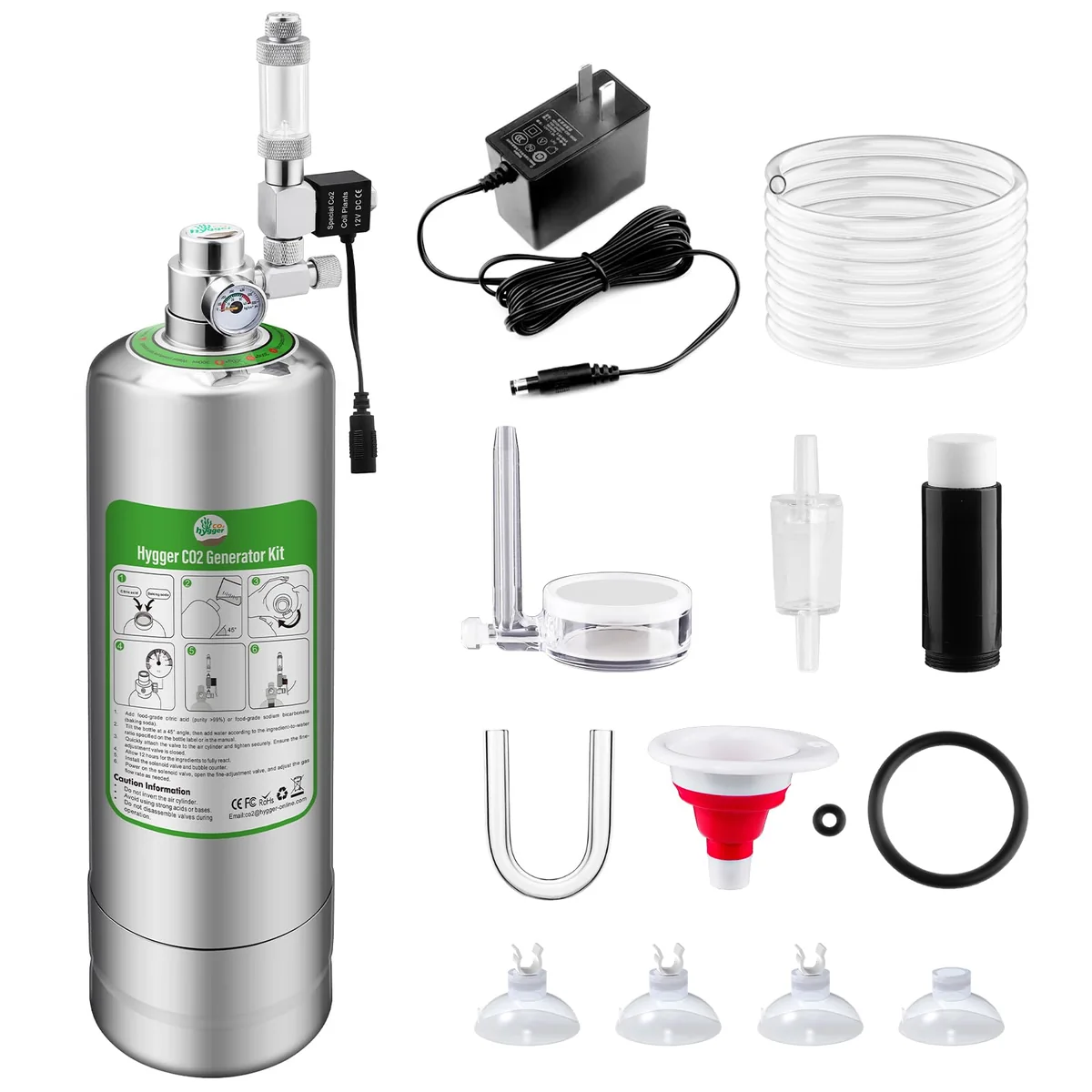
The Pro-Elite complete kit is aimed at buyers who prefer a coordinated component set. It removes some of the uncertainty of pairing a regulator, bubble counter, diffuser, and tubing. Read the current contents carefully because cylinders and regional fittings may differ. It costs more at the start, but a refillable setup can make more sense for a medium planted tank than repeated small cartridges.
Pros: coherent kit; suitable for a serious planted setup.
Cons: upfront cost; cylinder may be separate or region-specific.
Budget regulator: FZONE Aquarium CO2 Regulator
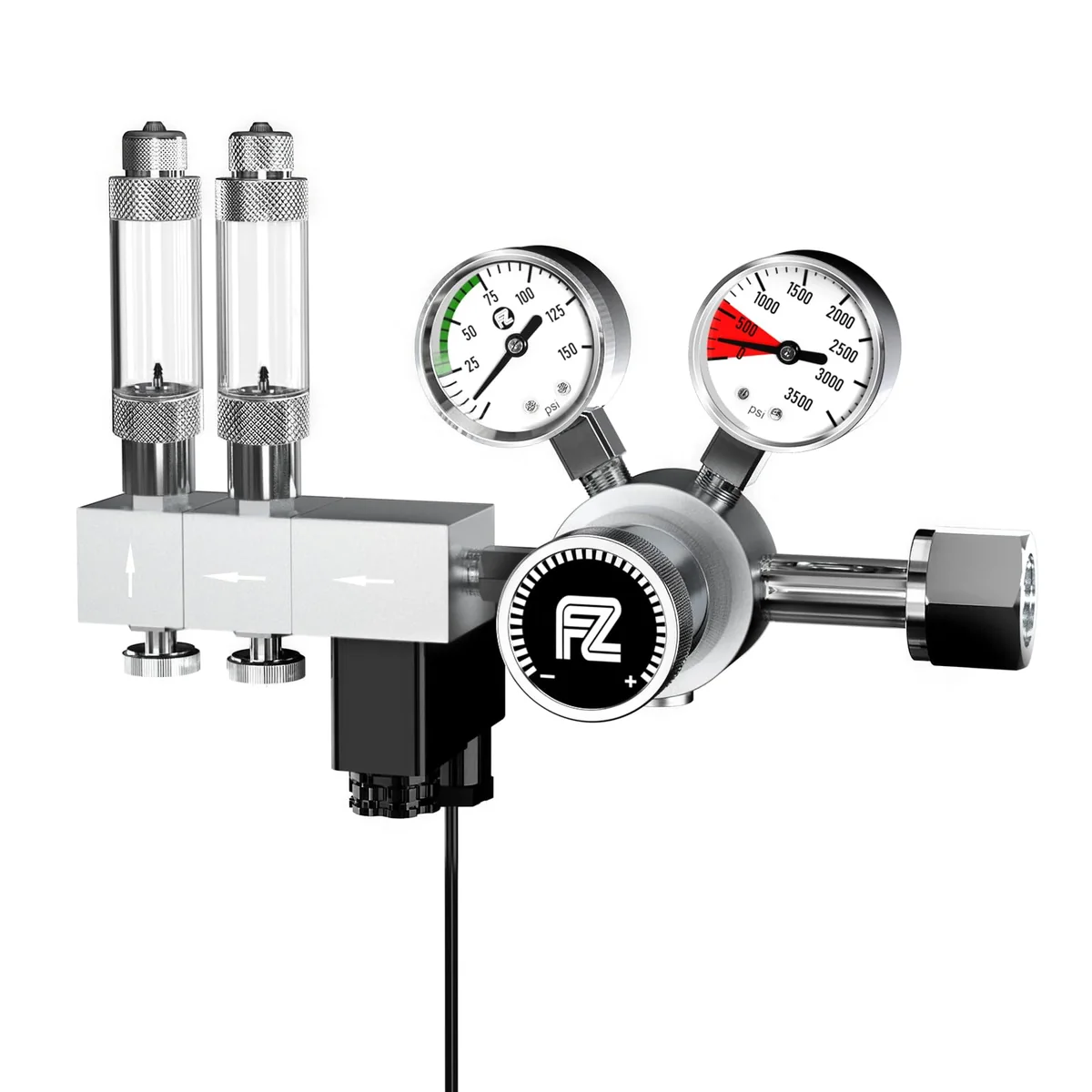
FZONE offers a lower-cost route for aquarists using paintball-style or other compatible cylinders. It can be attractive when you already know the cylinder standard in your area. The danger is buying a regulator by appearance alone. Verify thread type, working pressure, solenoid voltage, and included fittings before checkout.
Pros: budget entry; compact regulator choices.
Cons: variant confusion; compatibility must be checked.
Nano footprint: UNS Mini CO2 Regulator
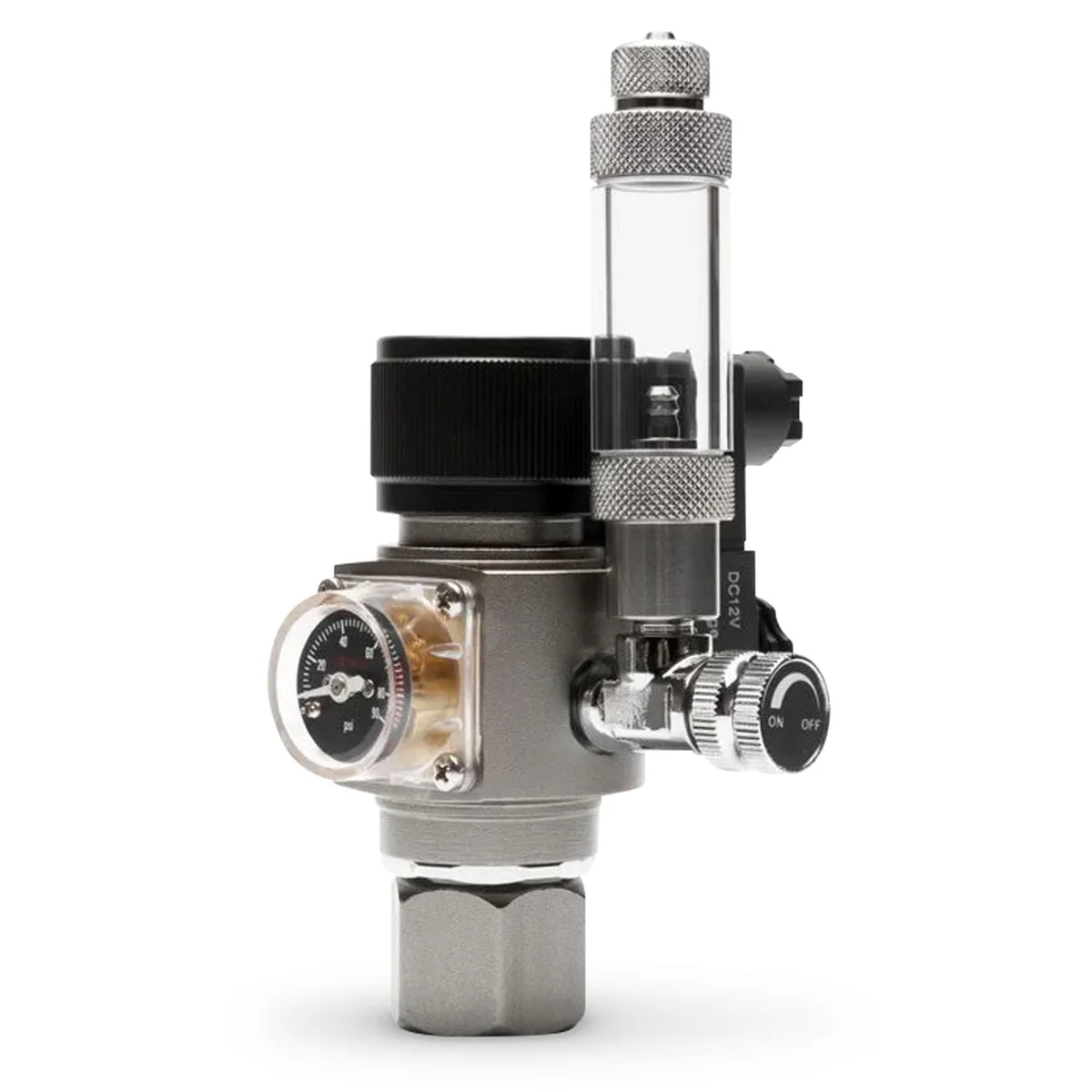
UNS Mini hardware targets small aquascapes where a full-size regulator looks oversized. That is useful for nano tanks and compact cabinets. Small cylinders run out sooner, and the low capacity makes the system a poor choice for a large aquarium. Use a bubble counter and diffuser matched to the tank rather than chasing a generic bubble rate.
Pros: compact; clean nano setup.
Cons: small-cylinder capacity; limited scale.
Simple biological alternative: Dennerle Bio CO2 Starter Kit
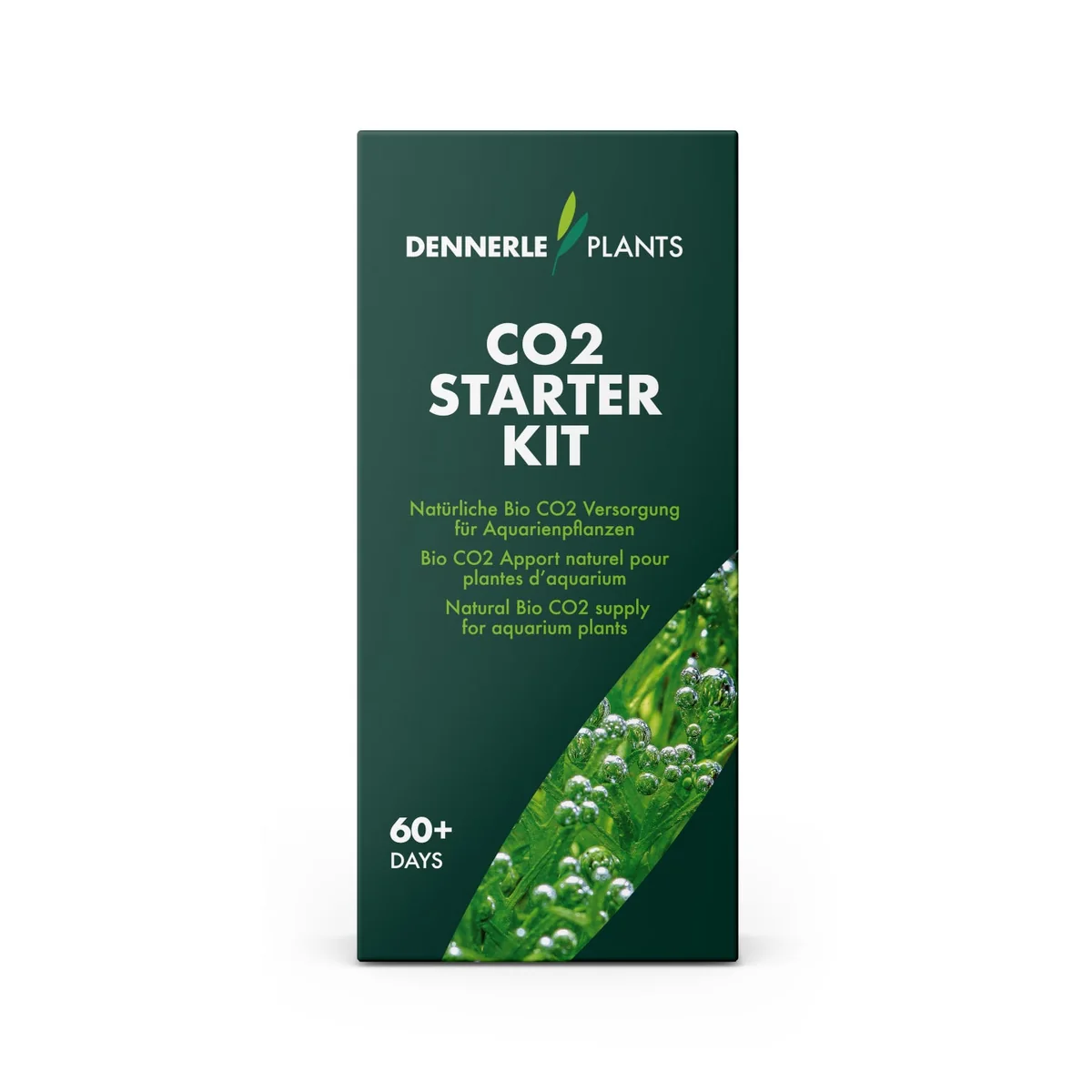
Dennerle’s starter documentation explains a yeast-based biological system. It can be an inexpensive introduction for a small aquarium, but output changes as the mixture ages. Follow the supplied instructions exactly. The manual warns about using incompatible valves or distributors, so do not improvise fittings without checking the system design.
Pros: simple biological principle; small-tank fit.
Cons: changing output; careful component use required.
What to look for
First match the system to tank volume. A nano biological kit cannot supply the same control as a refillable pressurized bottle. Then check the cylinder connection used where you live. A regulator, solenoid, diffuser, bubble counter, tubing, check valve, and drop checker are separate decisions unless the kit explicitly includes them. Start with a low rate and watch livestock. CO2 is invisible, and a drop checker is only an indicator, not a substitute for observation and testing. Run injection on a controlled schedule and provide surface movement for gas exchange.
High light increases demand for carbon. Read this guide alongside best aquarium light for a planted tank. A controllable light lets a beginner reduce demand while learning CO2. Your choice of base also matters. Planted-tank substrate affects rooting and water chemistry, but it does not replace carbon injection.
Frequently asked questions
Do beginners need CO2?
No. Many easy plants grow without injection. CO2 becomes more useful when you want faster growth, dense carpets, or demanding stems.
Is biological CO2 safer than pressurized CO2?
It removes high-pressure cylinder handling, but output is less predictable. Any CO2 system can stress livestock if the concentration rises too far.
Should CO2 run at night?
Many planted-tank keepers switch pressurized CO2 off overnight because plants do not use light-driven carbon then. Use a solenoid and timer, and maintain sensible gas exchange.
What cylinder should I buy?
Buy the cylinder your local supplier can fill and whose connector matches the regulator. Do not assume a US CGA fitting works with an international cylinder.
Recommendation
Choose Fluval Bio-CO2 Pro for a small, gentle introduction. Choose CO2Art Pro-SE or Pro-Elite when you want repeatable control and a refillable cylinder. FZONE and UNS are reasonable compact alternatives only after you verify the exact connector and variant.
Sources and methodology
Primary references include Fluval’s Bio-CO2 documentation, CO2Art’s complete kits, UNS CO2 products, and Dennerle’s starter manual. Independent context comes from Aqulator’s CO2 guide. We did not perform hands-on testing and do not claim a universal bubble rate. Verify current kit contents, fittings, and availability before checkout.