
Buying guide
Best aquarium substrate for shrimp
Choose shrimp substrate by the water you need to maintain, then by how comfortably shrimp can forage and plants can root.
Quick comparison
| Product | Best for | Main drawback |
|---|---|---|
| Fluval Plant and Shrimp Stratum | Planted shrimp layouts | Active soil needs water checks |
| ADA Aqua Soil Amazonia | Soil-first planted tanks | Can change the starting water chemistry |
| CaribSea Eco-Complete | Coarser planted bases | Grain feel may not suit every shrimp setup |
| Seachem Flourite Black | Inert dark planting base | Needs thorough preparation before filling |
| Dennerle Shrimp King Active Soil | Soft-water shrimp systems | Less control than a neutral gravel |
| UNS Controsoil | Planted aquascapes | Soil can break down with rough cleaning |
| AquaNatural Galaxy Sand | Neutral-looking sand beds | Sand does not provide active buffering |
This is a research-based guide, not a hands-on test. Check the current bag label, grain description, and preparation instructions before buying. Shrimp are sensitive to abrupt water changes, so test the aquarium after adding any new soil and before moving livestock. The best substrate is the one whose chemistry you can keep stable.
Our picks
Fluval Plant and Shrimp Stratum
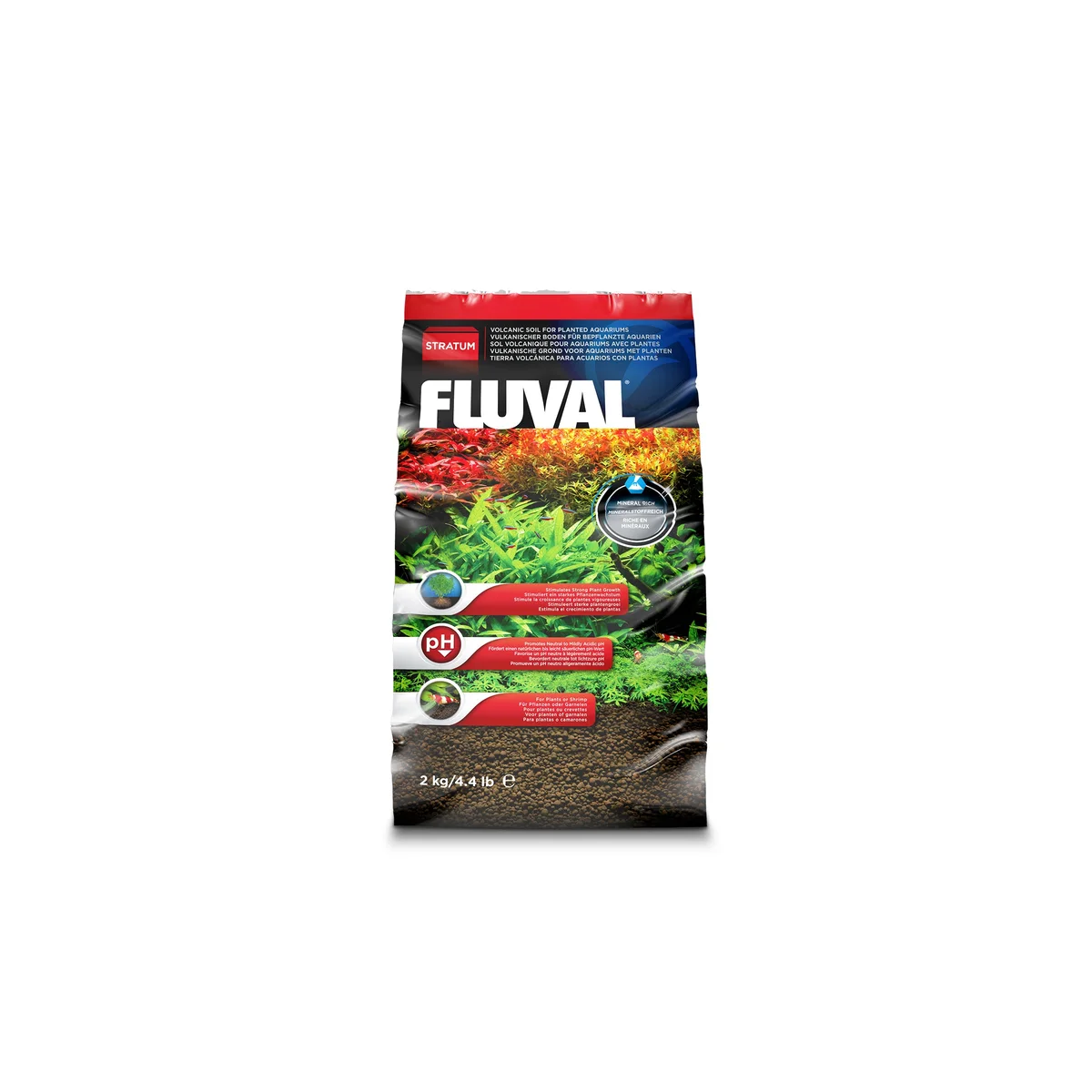 Fluval Plant and Shrimp Stratum is the most balanced pick here for a planted shrimp aquarium when active soil fits your water plan. Its small, rounded granules give roots a place to settle while leaving shrimp a workable surface for grazing. Active soil can influence pH and hardness, which is useful for some shrimp systems but a poor match if your source water needs to stay neutral. Add it gently, avoid crushing the grains, and measure water during the initial setup. Pros: planting-friendly form; designed with shrimp and plants in mind. Cons: chemistry is less hands-off than inert sand, so water testing is part of the purchase.
ADA Aqua Soil Amazonia
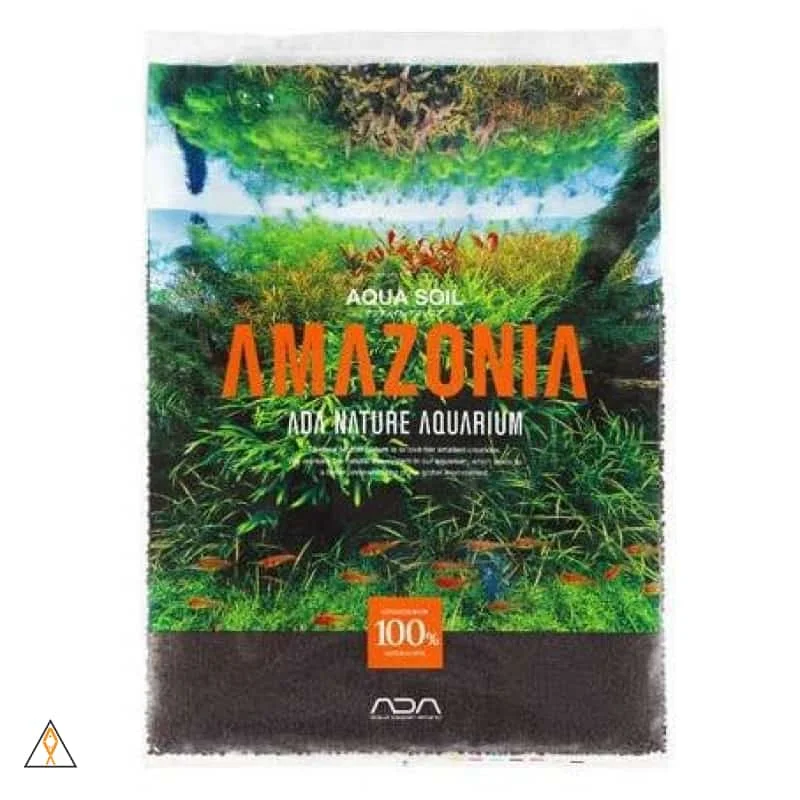 ADA Aqua Soil Amazonia suits the aquarist who wants soil to be part of a planted-tank plan rather than a decorative floor. The granules support root placement and the active chemistry can help create softer, more acidic conditions when that is the intended direction. That same effect is the reason to be cautious with newly added shrimp. Cycle and test the tank according to your livestock plan, and do not assume a water change makes every setup ready immediately. Pros: strong fit for soil-based planting; familiar aquascaping format. Cons: it gives you less immediate control over starting parameters than an inert base.
CaribSea Eco-Complete
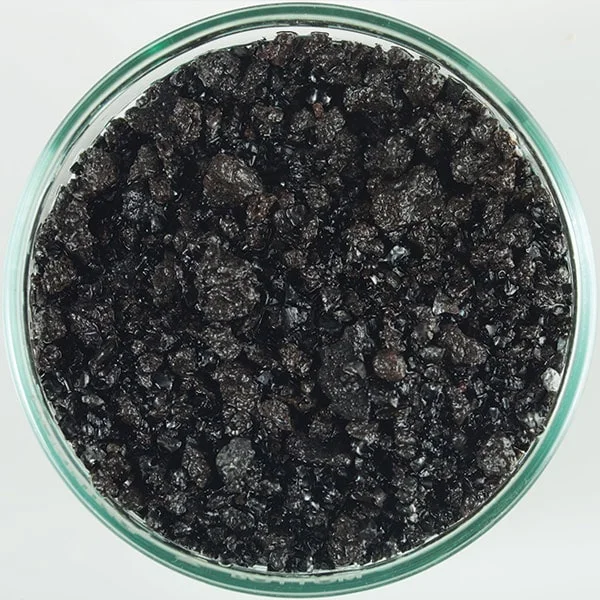 CaribSea Eco-Complete is a reasonable choice when you want a dark, plant-oriented base without committing to an active shrimp soil. Its coarser mineral texture can anchor stems and create open gaps for water movement, though the feel is different from a fine sand bed. Treat it as an inert choice unless the current product information says otherwise, and test your own water rather than expecting the substrate to set shrimp parameters. Rinse or prepare it only as the maker directs. Pros: neutral-control approach; useful for planted displays. Cons: larger grains can collect debris in gaps and may be less comfortable for tiny shrimp to sift through.
Seachem Flourite Black
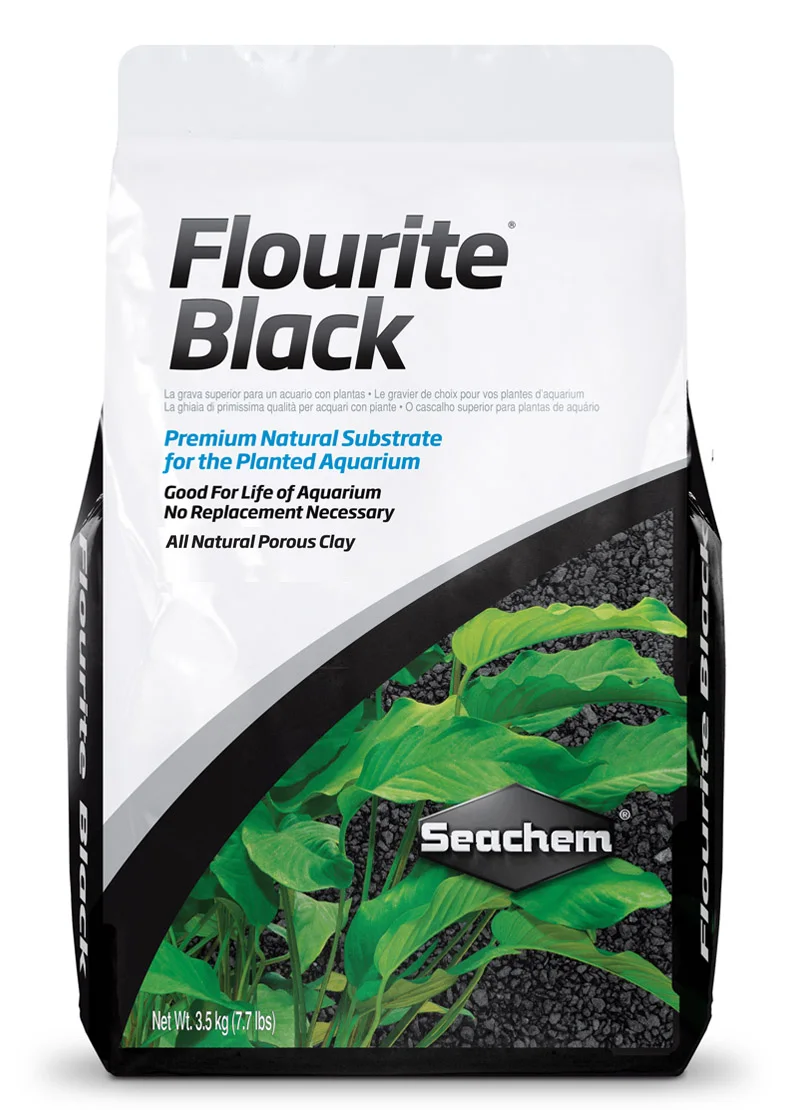 Flourite Black is for the keeper who wants a dark planting bed while retaining control over pH and hardness elsewhere in the system. The porous mineral pieces give roots grip, but they are not a substitute for a nutrient plan or active buffering. Prepare the material carefully to reduce dust, then fill the tank slowly so the surface is not churned into the water column. Its specific compromise is labor at setup and debris management later. Pros: inert approach; dark color makes shrimp and plants stand out. Cons: preparation matters, and the uneven texture can require gentler siphoning around the grains.
Dennerle Shrimp King Active Soil
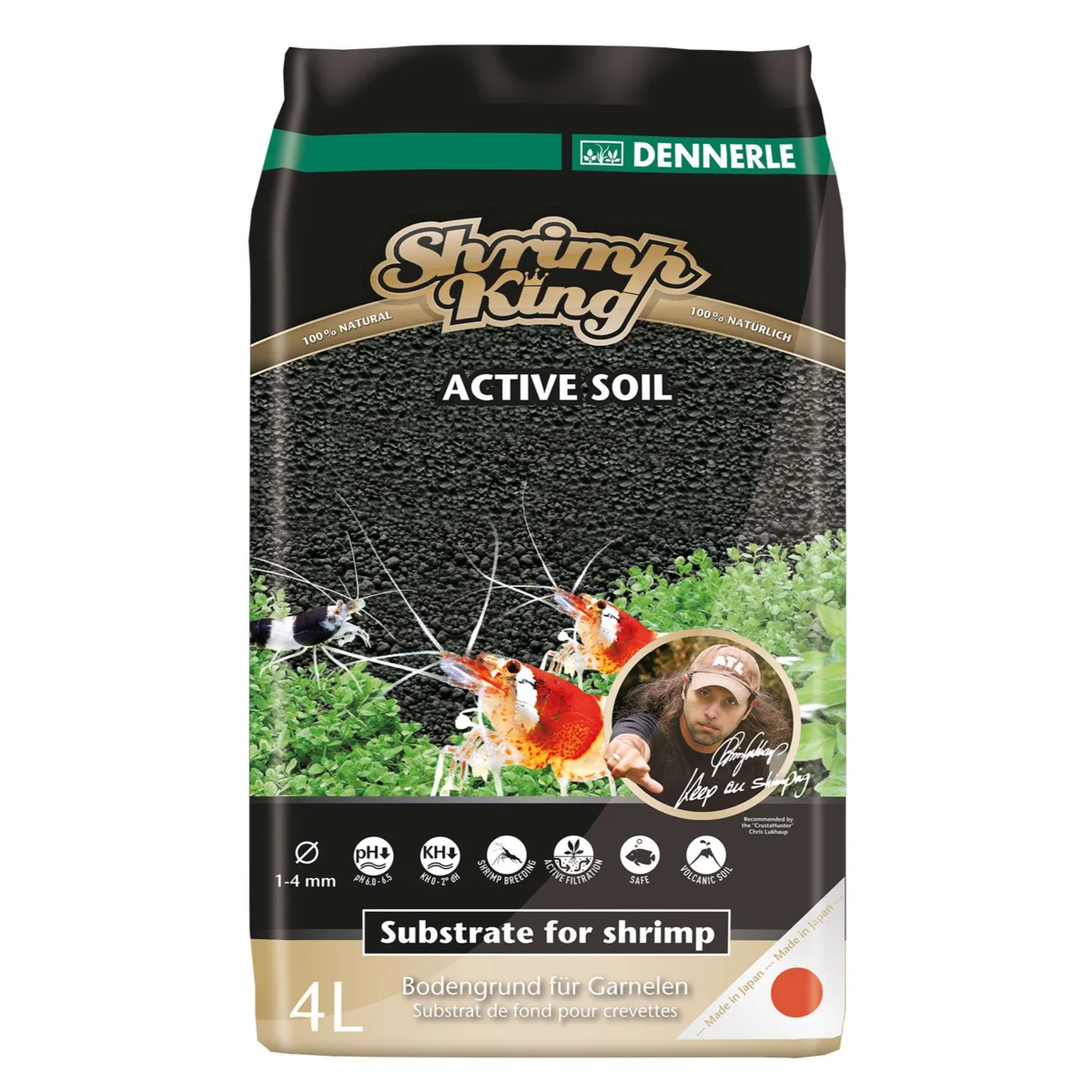 Dennerle Shrimp King Active Soil targets the part of shrimp keeping where stable, softer water matters more than a completely neutral base. Its fine soil form makes planting straightforward and gives small shrimp a surface that is easy to traverse. Active chemistry also narrows your margin for casual water changes. Match it to the shrimp species and remineralized water you plan to use, then monitor parameters as the tank settles. Pros: clear shrimp-specific purpose; fine grain works in compact planted layouts. Cons: it is the wrong tool if you want the substrate to leave water chemistry untouched.
UNS Controsoil
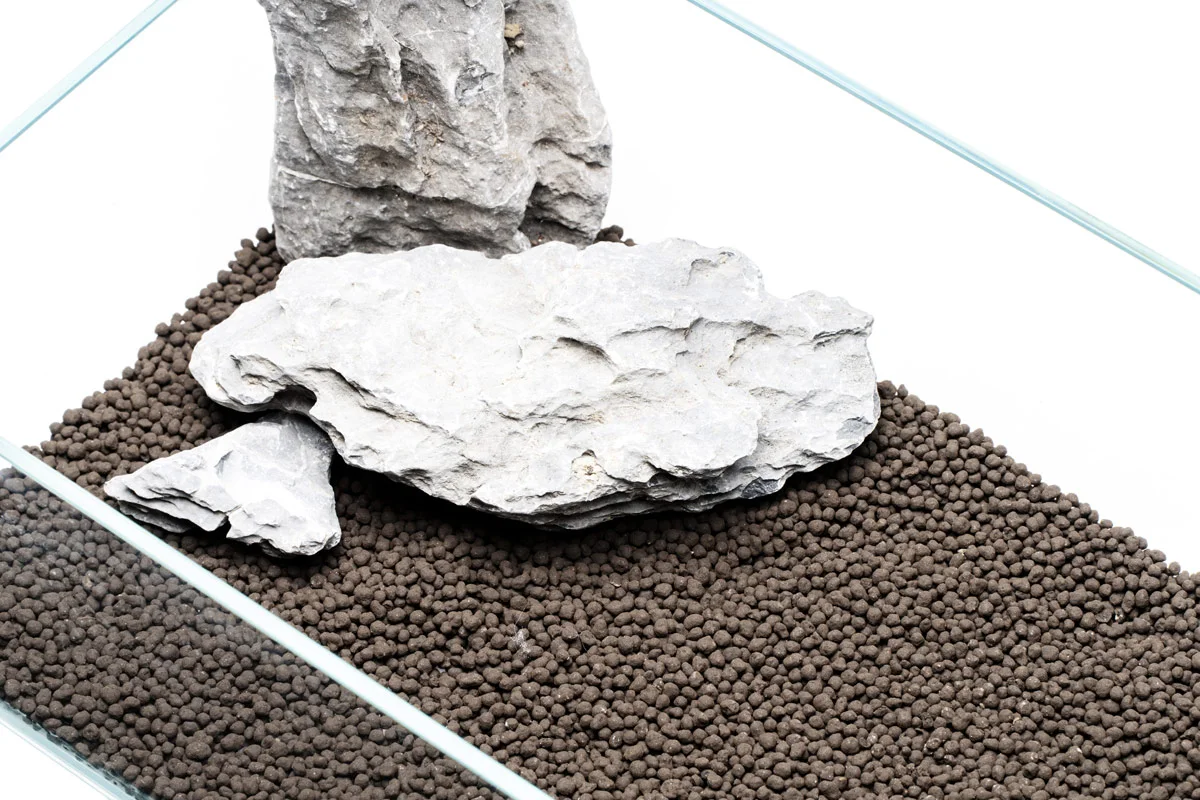 UNS Controsoil works for a shrimp aquascape where rounded soil granules, planted slopes, and a controlled soft-water routine belong together. Choose the grain size that matches the visual scale of the aquarium and the plants you intend to root. Soil should be placed before hardscape and filled without a strong jet aimed at the bed. The drawback is physical wear. Rough rescapes and aggressive siphoning can break soil down sooner than a hard mineral base. Pros: flexible planted layout; soil granules are easy to shape. Cons: maintenance technique affects longevity, and active-water changes still need testing.
AquaNatural Galaxy Sand
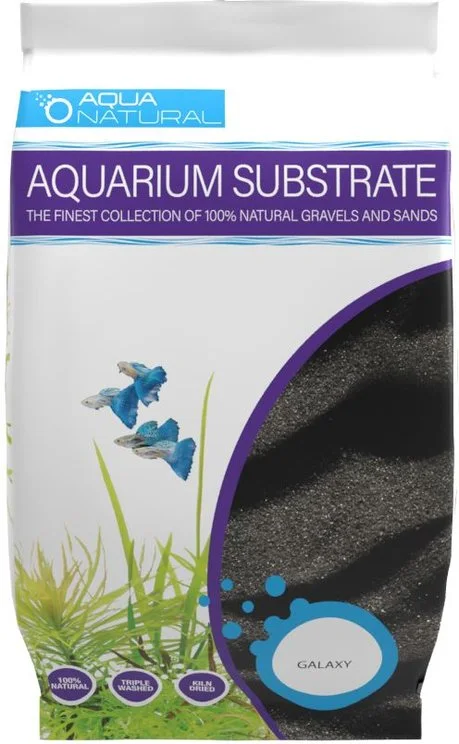 AquaNatural Galaxy Sand is the simple alternative for a shrimp keeper who wants a neutral-looking bed and plans to manage water chemistry with water preparation. Fine sand gives grazing shrimp a broad surface and makes leftover food easy to spot, but it can compact if piled too deeply. Stir or clean lightly without burying waste, and use root tabs or pots if demanding plants need more support. Pros: easy-to-read surface; inert-style control over buffering. Cons: sand does not feed plants or adjust pH, and deep layers can become troublesome if poorly maintained.
How to choose substrate for shrimp
Decide active or inert first. Active soil can lower or stabilize pH and reduce hardness depending on the product and water, but that change must match the shrimp species and your water routine. Inert sand, gravel, or mineral material leaves those controls with your source water and remineralizer. Neither category is automatically safer. A stable, measured parameter is safer than a label that sounds shrimp-specific.
Then inspect grain form. Rounded, smaller pieces are comfortable for grazing and easier to shape around plants. Coarse pieces leave more voids, which can hold waste but also help water move through a planted bed. Fine sand is easy to see and clean, yet a deep layer may compact. Build only as deep as the plants and layout require.
Planting changes the choice. Rooted stems need a bed that holds them, while epiphytes need almost no substrate support. If an inert bed is otherwise right for the shrimp, use a separate nutrient method rather than changing chemistry just to feed roots. Add hardscape first where it provides stability, and fill slowly to avoid moving the grains.
Frequently asked questions
Is active soil safe for shrimp?
It can be, when its chemistry matches the shrimp species and the prepared water. Test pH and hardness during setup instead of adding shrimp immediately.
Is inert sand better for beginners?
It is often easier to understand because it does not intentionally buffer the water. You still need to manage hardness, minerals, and maintenance yourself.
What grain size works for shrimp?
Choose a smooth grain that lets shrimp forage without sharp edges. Balance fine particles against compaction and coarse pieces against trapped food.
Can shrimp substrate support plants?
Soil is convenient for rooted plants. Inert sand and gravel can still work with root tabs, pots, or plants that take nutrients from the water column.
Should substrate be rinsed?
Follow the product instructions. Some soils are not meant to be aggressively rinsed, while mineral and sand products may need preparation to remove dust.
Recommendation
Pick Fluval Plant and Shrimp Stratum for a planted active-soil plan, Seachem Flourite Black for an inert dark base, or AquaNatural Galaxy Sand for a simple neutral bed. In every case, choose the chemistry first, add the substrate gently, and wait for stable test results before introducing shrimp.
Sources and methodology
We checked product information from Fluval, ADA, CaribSea, Seachem, Dennerle, UNS, and current retailer listings. We compared active or inert behavior, grain form, planting support, likely maintenance, and shrimp compatibility. Product photos depict the named models or stated variants. No hands-on testing was performed.