
Buying guide
Best aquarium substrate for betta fish
For a betta, choose a smooth bed that will not snag long fins and that you can vacuum without tearing up the layout. The right choice depends on whether you want a simple inert floor or rooted plants.
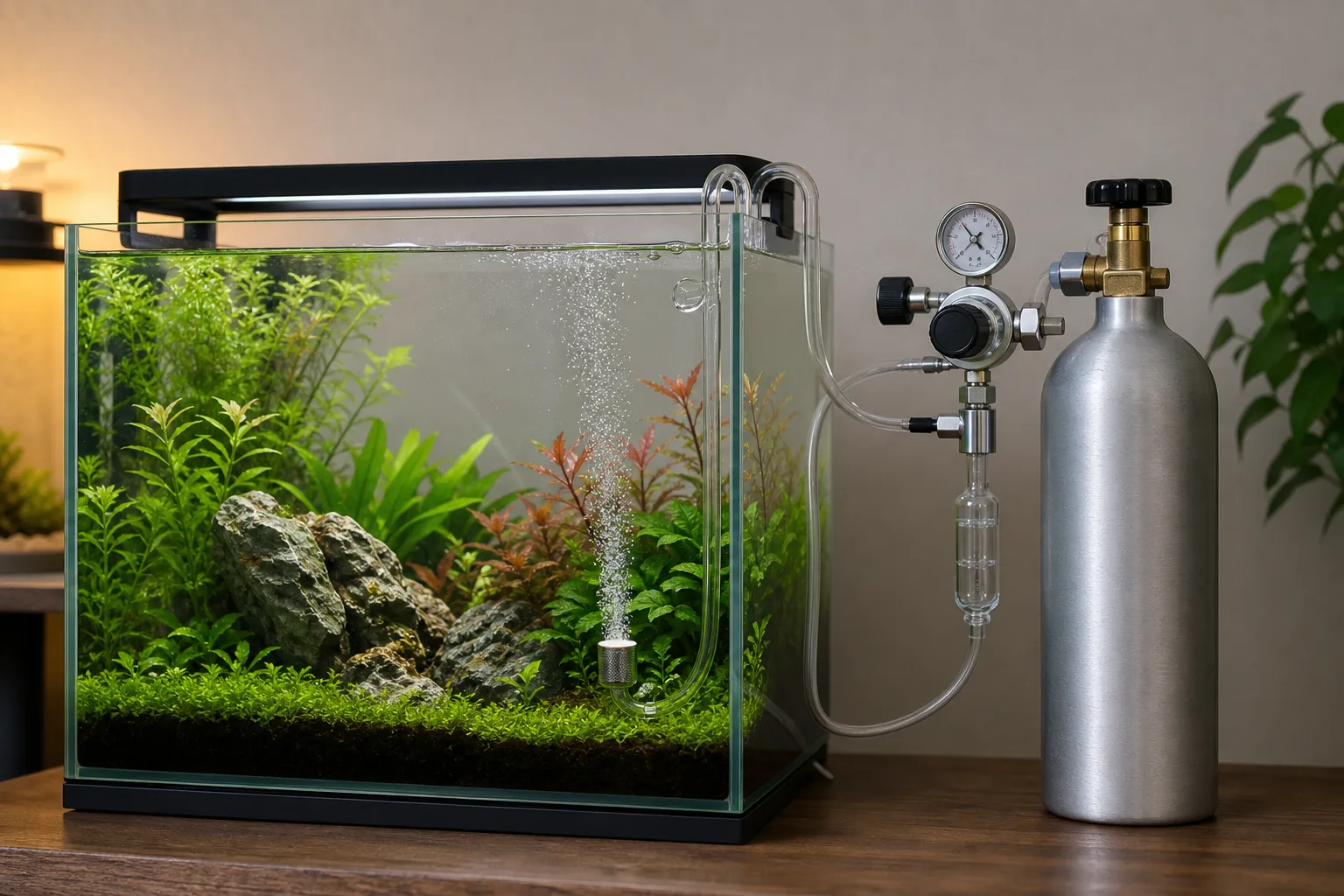
A betta does not need a nutrient-rich floor. It needs a clean, stable aquarium with places to rest and no rough fragments that can catch a flowing fin. Smooth sand or rounded gravel is the safest starting point for most tanks. Choose an active planted soil only when its water effects and maintenance fit the rest of your plan. This is a research-based guide, not a hands-on test. Check the current bag, variant and stock before ordering.
Quick comparison
| Product | Best fit | Chemistry and care note |
|---|---|---|
| CaribSea Super Naturals Aquarium Sand | Calm, natural betta floor | Rinse and vacuum lightly |
| Seachem Flourite Black Sand | Dark planted layouts | Stable, but dusty at setup |
| ADA Aqua Soil Amazonia | Heavily planted tanks | Active soil needs water checks |
| CaribSea Eco-Complete | Rooted plants with dark color | Follow the current product label |
| Imagitarium Snowy River Aquarium Gravel | Straightforward beginner setup | Inspect every stone for damage |
| AquaNatural Diamond Black Sand | Dark sand appearance | Verify grain texture before use |
| Spectrastone Shallow Creek Gravel | Open, easy-to-rearrange floor | Larger gaps collect debris |
Our picks
CaribSea Super Naturals Aquarium Sand
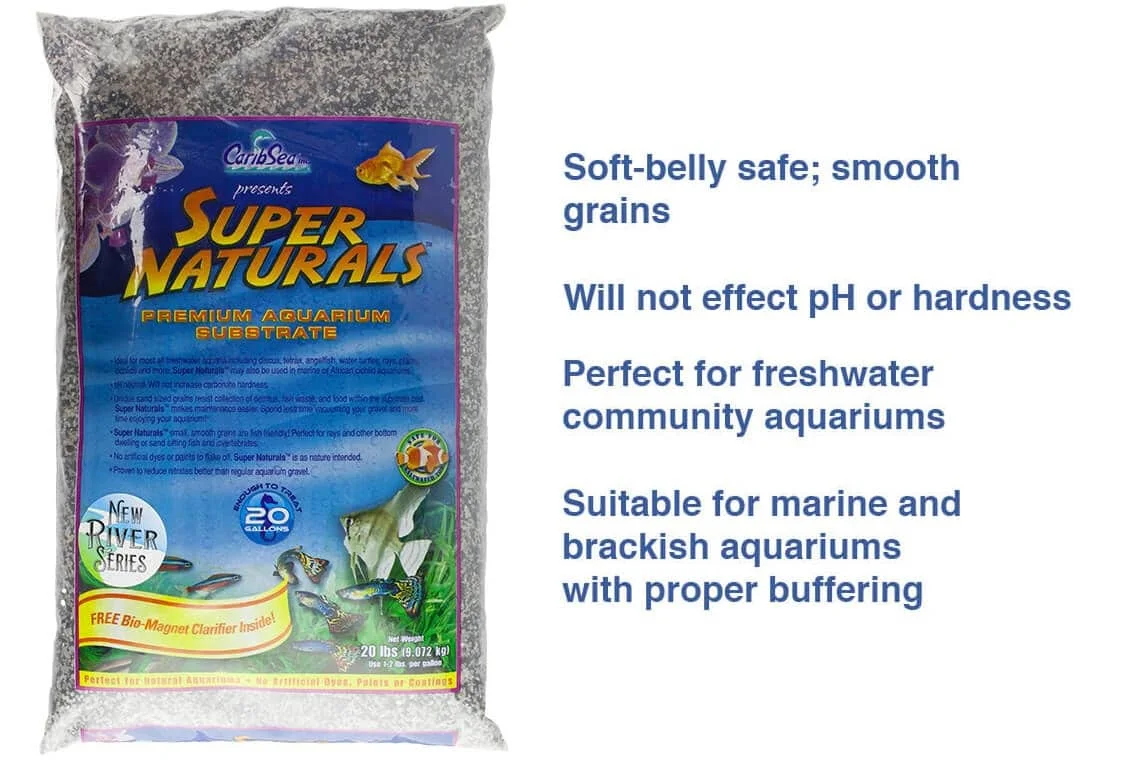 This is the easy recommendation for a betta keeper who wants a natural-looking floor without making water chemistry part of the daily decision. Sand gives a resting betta a continuous surface, and a pale or natural tone makes uneaten food easier to spot. Use a siphon just above the surface so you remove debris without pulling the bed into the bucket. Check the bag for sharp pieces before it enters the tank. Pros: simple layout and clear waste visibility. Cons: a deep layer can compact, and careless siphoning can remove sand.
Seachem Flourite Black Sand
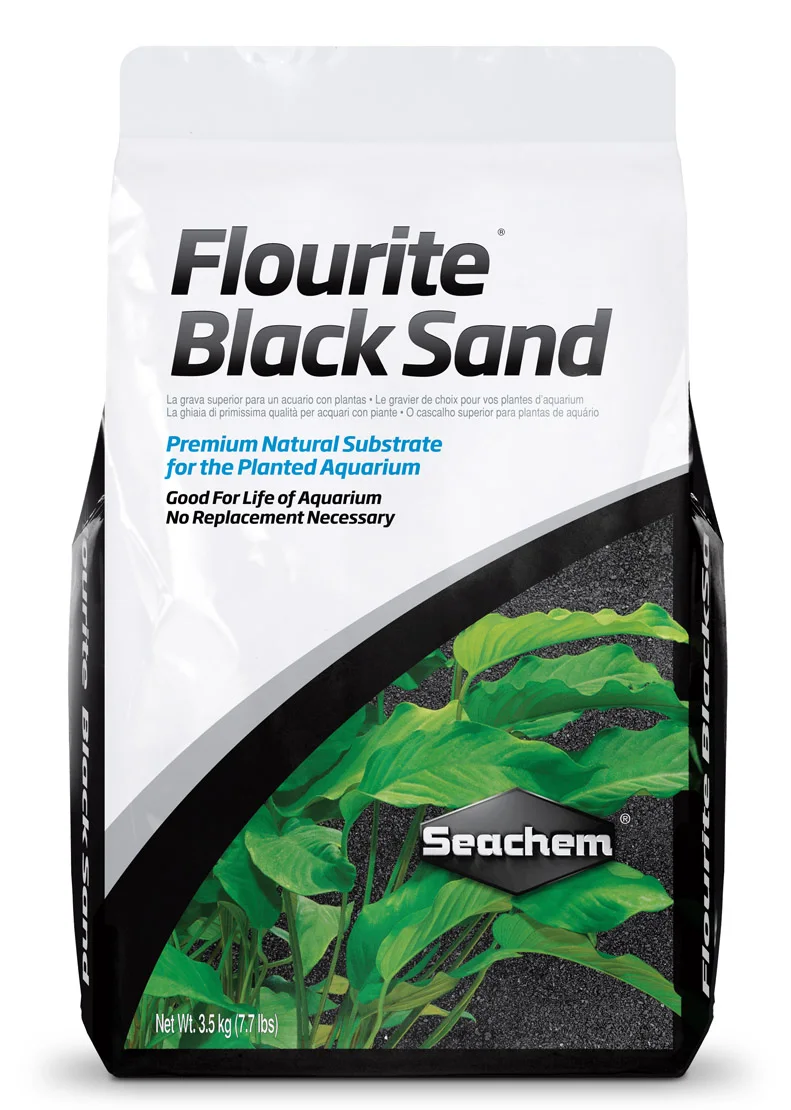 Seachem describes this as a stable, porous clay gravel for planted freshwater aquariums, and says it is not chemically coated or treated. That makes it useful when you want dark color and root support without deliberately buffering the water. The company also warns that natural dust can remain after transport, so rinse it and add water slowly over a bowl. A betta benefits from the tidy dark background, but the porous grains deserve a gentle vacuum. Pros: long-term planted-tank use and inert chemistry. Cons: setup cloudiness and a texture that needs inspection.
ADA Aqua Soil Amazonia
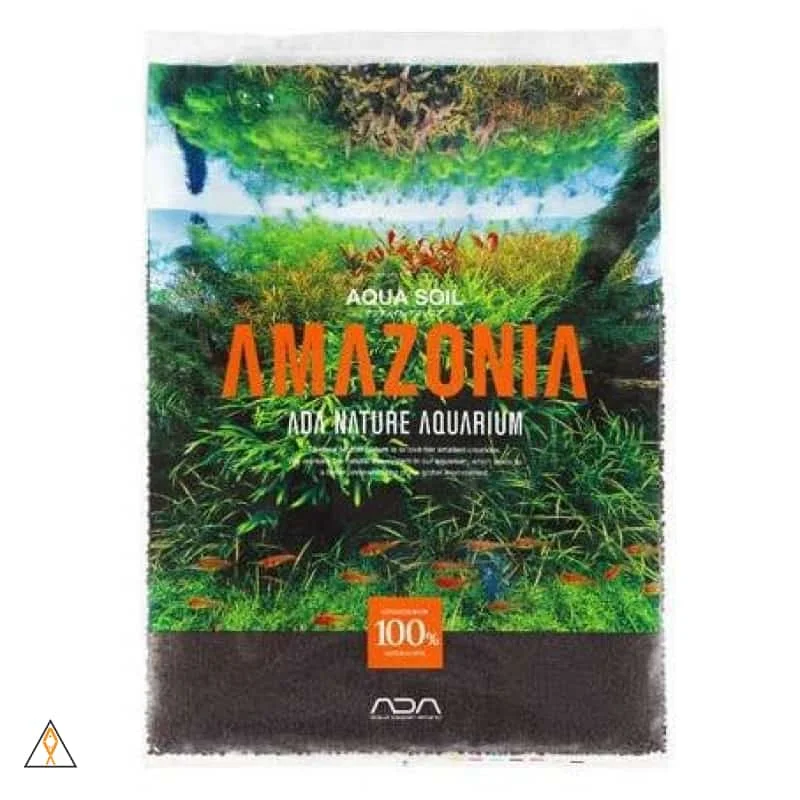 Choose this only when plants are the main reason you are adding a substrate. Active aquasoil is a different job from inert sand. It can influence water conditions, and the manufacturer instructions should decide how you fill, cycle and monitor the tank. That extra work is worthwhile for a planted aquascape, but it is needless complexity in a bare betta home. Keep the surface free of jagged stones and leave open water near the heater and filter. Pros: a purpose-built planted option. Cons: chemistry changes mean more testing and planning.
CaribSea Eco-Complete
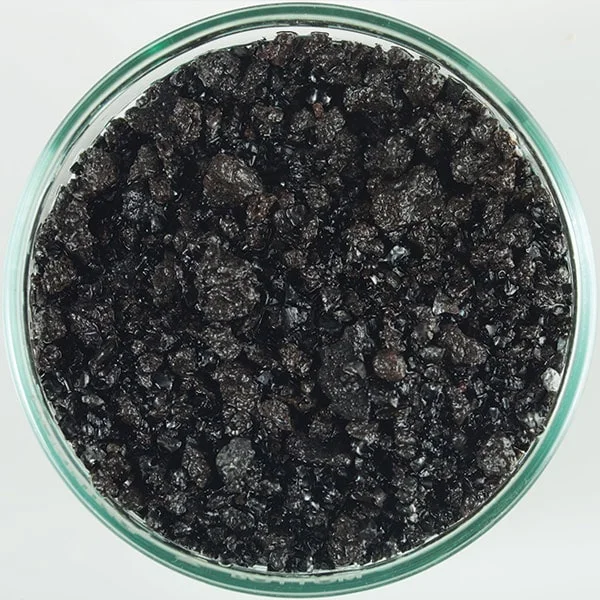 The current CaribSea freshwater line calls this product Eco-Planted, formerly Eco-Complete. That naming change matters when you search listings because old and new bags may appear together. The product is aimed at planted aquariums and uses porous grains, so it suits a betta tank with rooted plants better than a simple display with no roots. Rinse or prepare it exactly as the current label says, then watch for loose particles during the first fill. Pros: plant-focused dark bed. Cons: variant confusion and more care than plain gravel.
Imagitarium Snowy River Aquarium Gravel
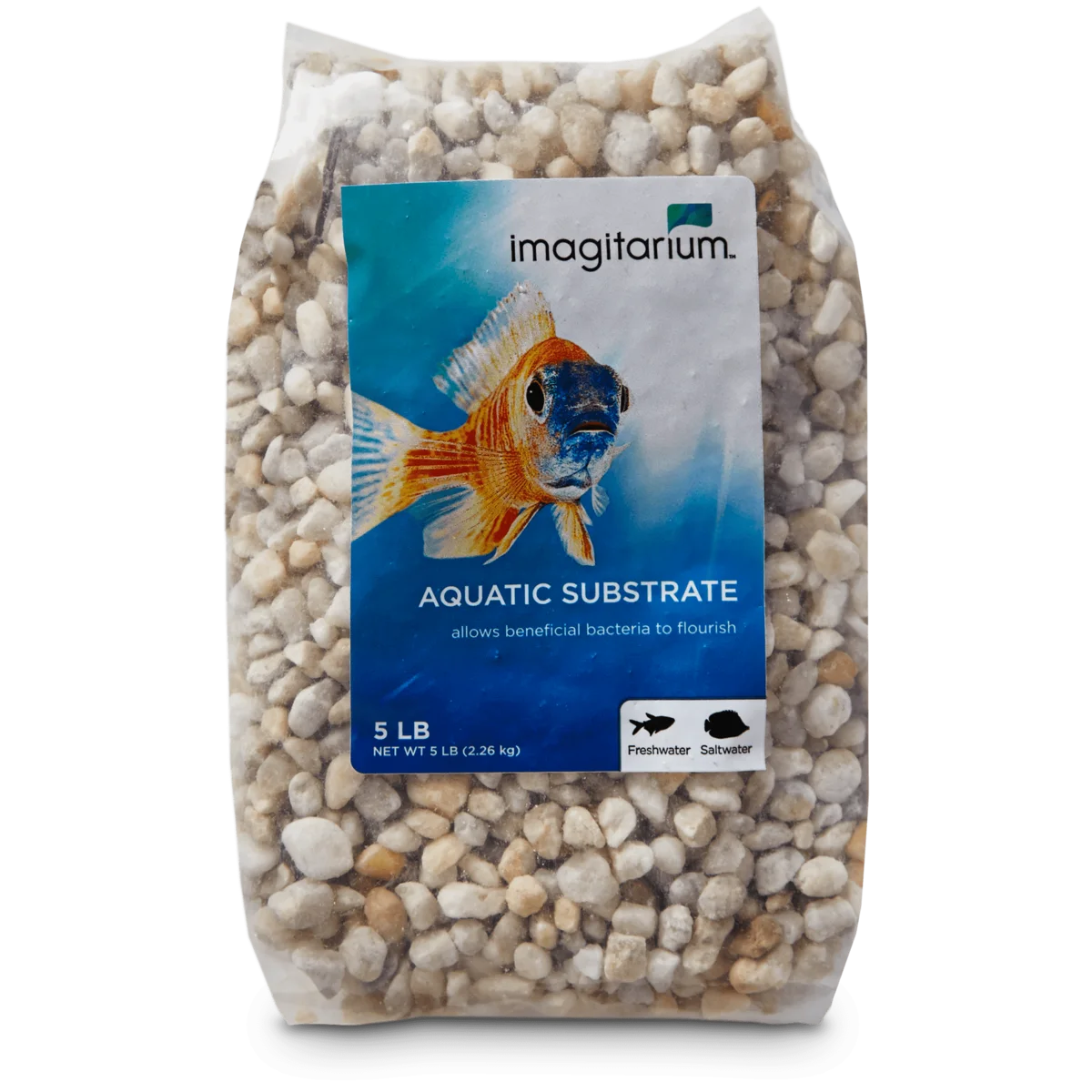 This is the practical gravel choice for a small betta aquarium where you want a familiar setup and easy plant anchoring. Do not buy on color alone. Rub and inspect a few stones, discard anything chipped, and choose a rounded variant rather than a sharp decorative mix. Gravel lets a siphon reach into spaces that sand can seal, although those spaces can also hold food and waste. Pros: simple to place and rearrange. Cons: the exact finish varies by listing, so confirm the current bag.
AquaNatural Diamond Black Sand
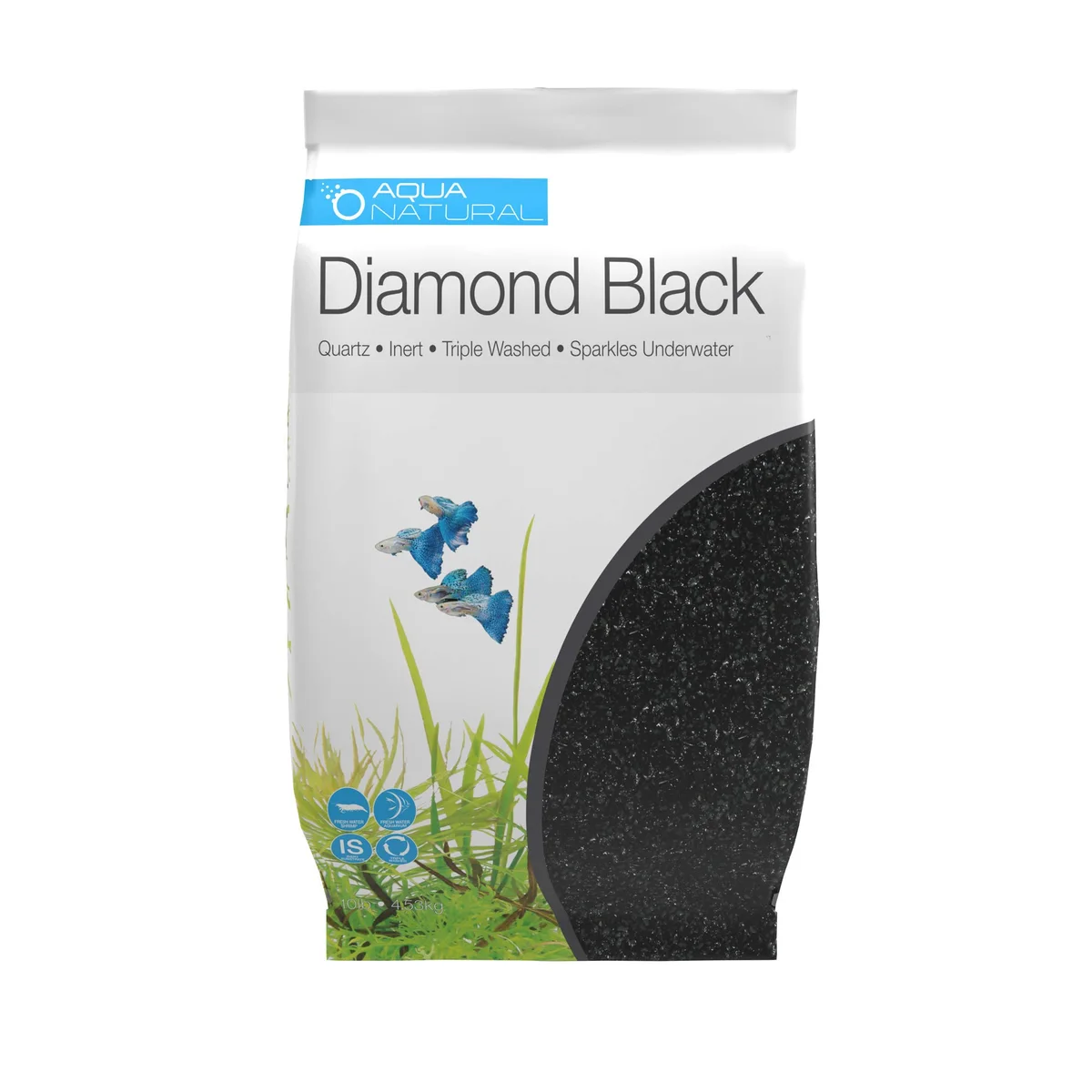 Black sand gives a betta tank a crisp background and can make the fish stand out without plastic decorations. It works best for a shallow, open bed that you can skim with a narrow siphon. Before buying, confirm that the retailer is selling aquarium sand and read the grain description. A product photo cannot tell you whether a fragment has a sharp edge. Pros: unobtrusive appearance and a continuous floor. Cons: dark sand can hide dark waste, and deep beds are harder to keep open.
Spectrastone Shallow Creek Gravel
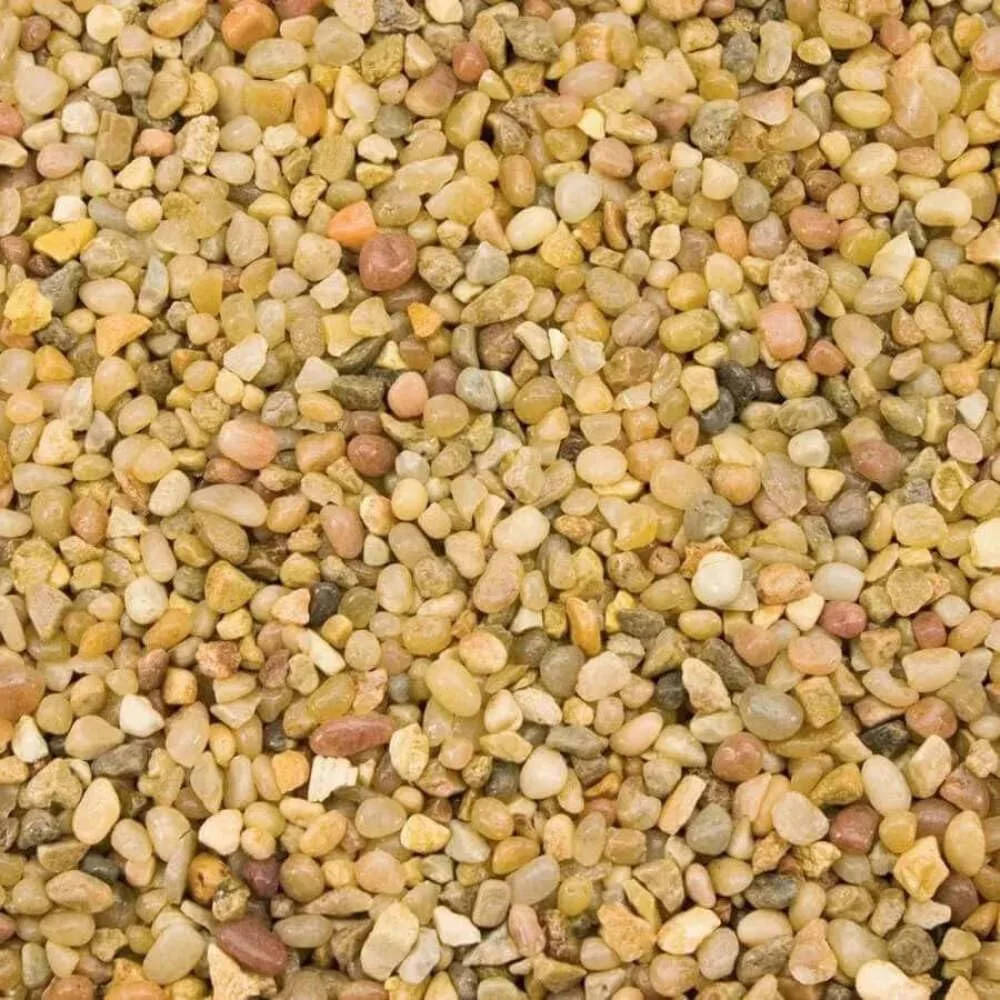 This creek-style gravel makes sense when you want a visible, open floor and a little more grip for plant roots than very fine sand provides. Spread it in a thin, even layer and keep the front glass clear enough to see food and debris. Betta fins are delicate, so inspect the actual stones and remove rough pieces before filling the tank. Pros: flexible layout and easy spot cleaning. Cons: larger gaps can shelter waste, and the decorative finish is not a substitute for checking texture.
Buying criteria and maintenance
Inert sand and gravel leave your water chemistry decisions to your source water, conditioner and maintenance routine. That predictability is valuable for a betta, especially in a small tank where a small change can matter quickly. Active aquasoil is for a planted plan. It may alter water conditions, so test during setup and use the manufacturer’s directions. Do not assume a label that says “for plants” means it is neutral.
Smoothness outranks color. Long-finned bettas spend time close to the bottom and may brush against the floor while turning. Avoid crushed glass, jagged rock and any blend with obvious splinters. A shallow bed is easier to clean than a decorative slope. Keep the intake, heater and thermometer accessible, and leave a clear resting area rather than filling every corner with hardscape.
Rinse inert substrate in a clean bucket until the outgoing water is acceptably clear. Add it before filling, place a saucer or bowl on top, and pour water onto that surface to avoid blasting a channel through the bed. For active soil, follow its label instead of washing it until perfectly clear. After the first fill, watch the water and test the parameters that matter for your aquarium.
At each water change, hover the siphon above sand or use a gravel tube between larger grains. Remove uneaten food promptly. If you see a dirty pocket, disturb that small area rather than stirring the entire floor. Substrate supports the layout and can host microorganisms, but it does not replace a filter, water changes or safe stocking.
Frequently asked questions
Is sand safe for a betta?
Smooth aquarium sand can be a good choice. Inspect it for sharp pieces, keep the layer manageable and clean the surface without creating a cloud.
Is active soil necessary for betta fish?
No. It is useful for a planted layout, not for the fish itself. Inert sand or gravel is simpler when plants are not the main project.
Can gravel tear betta fins?
Rough or chipped gravel can. Handle the material before use and remove anything with a sharp edge. A smooth grain is more important than the color.
Does substrate change pH?
Some products are marketed as inert, while active soils are intended to affect growing conditions. Read the current product instructions and test your water after setup.
Recommendation
For most betta tanks, start with a shallow layer of smooth inert sand or carefully selected rounded gravel. CaribSea Super Naturals is the uncomplicated sand pick. Seachem Flourite Black Sand fits a planted tank when you want a dark, stable material. Choose ADA Aqua Soil Amazonia or CaribSea Eco-Planted only when you are ready to manage an active planted substrate.
Sources and methodology
We checked product information from CaribSea, Seachem, ADA, AquaNatural, Imagitarium, and Spectrastone. We compared texture, water chemistry claims, plant use and cleaning demands. No hands-on testing was performed, and no price is quoted because retailer listings change.