
Buying guide
Best aquarium substrate for axolotl
Axolotls mouth the floor while they feed. Choose a smooth, fine material, or leave the bottom bare, and make waste removal easy.
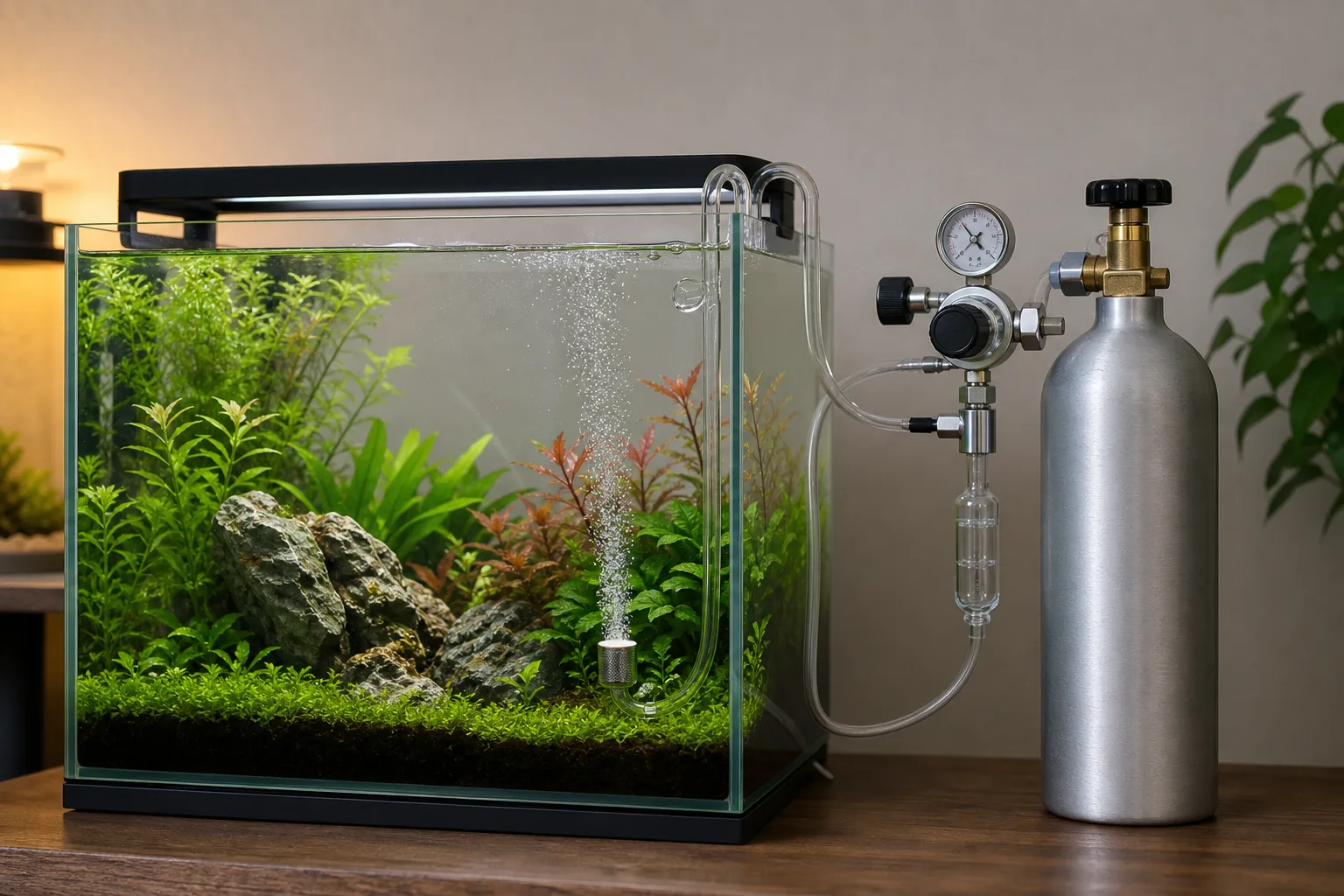
The safest starting point for an axolotl aquarium is a bare glass bottom or a thin layer of smooth, fine aquarium sand. Axolotls vacuum up food from the floor, so chunky gravel can become an impaction hazard. This guide compares seven practical choices by grain feel, cleanup, plant support and how much they can change water chemistry. It is research based, not a hands-on test. Check the current label and seller listing before buying.
Quick comparison
| Product | Best for | Main drawback |
|---|---|---|
| CaribSea Super Naturals Crystal River Sand | Natural-looking fine bed | Rinse thoroughly |
| CaribSea Super Naturals Peace River Sand | Darker river-style layout | Check grain by hand |
| CaribSea Super Naturals Sunset Gold Sand | Warm natural color | Dust during setup |
| AquaNatural Diamond Black Sand | High-contrast bottom | Confirm freshwater labeling |
| Imagitarium Black Aquarium Sand | Simple budget refresh | Inspect for sharp grains |
| CaribSea Super Naturals Moonlight Sand | Bright fine-sand layout | Rinse thoroughly |
| Aqueon Plant and Shrimp Aquarium Substrate | Plain bare-looking cover | Verify the current texture |
Our picks
CaribSea Super Naturals Crystal River Sand
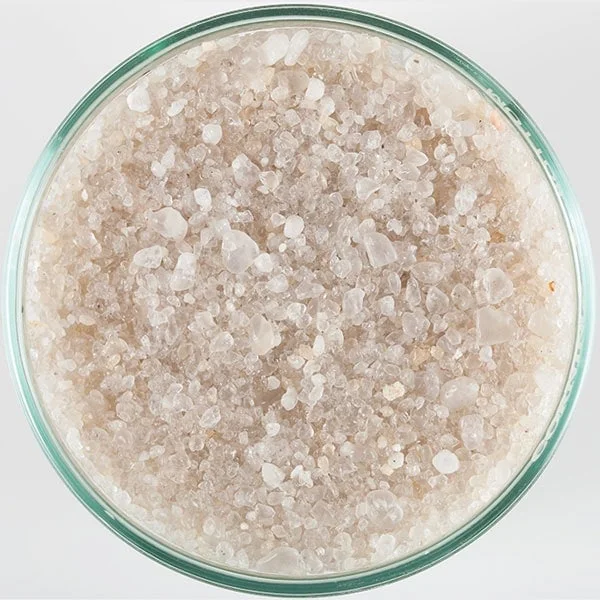 This is the most natural first choice when you want a visible bottom without chunky pieces. Its river-sand look suits a low-flow axolotl layout, and a thin bed leaves less room for waste to disappear. Run your fingers through the dry material before adding it. Remove any shard or unusually large piece. Rinse in a bucket until the water clears, then add water over a bowl so the bed does not billow. Pros: calm appearance and easy spot cleaning. Cons: loose dust can cloud a new tank.
CaribSea Super Naturals Peace River Sand
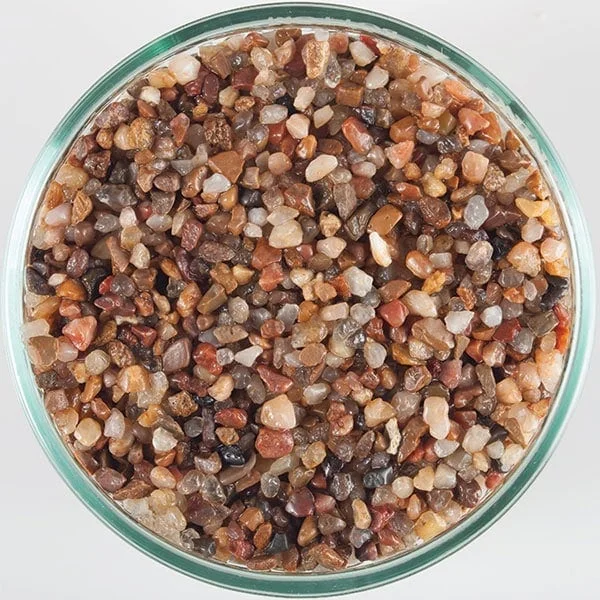 Peace River gives a darker, earthy backdrop that makes pale axolotls and uneaten food easier to see. That visibility matters because you can remove leftovers before they decay. Keep the layer shallow and hover a siphon just above the surface rather than churning the whole bed. This is an inert-style choice, so it should not be relied on to set pH or hardness. Pros: useful contrast and straightforward maintenance. Cons: the exact grain mix can vary by package, so inspect it before use.
CaribSea Super Naturals Sunset Gold Sand
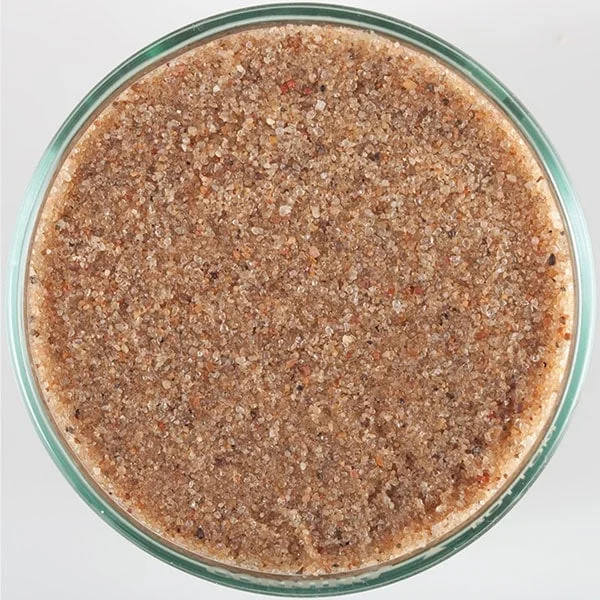 Sunset Gold works when you want a warm, riverbank-style scene and still need the bottom to remain easy to read. Use a thin, level layer rather than building a deep decorative slope. Axolotls push their heads through the sand while feeding, so screen out anything that feels angular. Pre-rinse outdoors or in a dedicated bucket. Pros: warm color, simple layout and good visibility of dark waste. Cons: lighter sand shows algae and detritus sooner, which means more frequent touch-up cleaning.
AquaNatural Diamond Black Sand
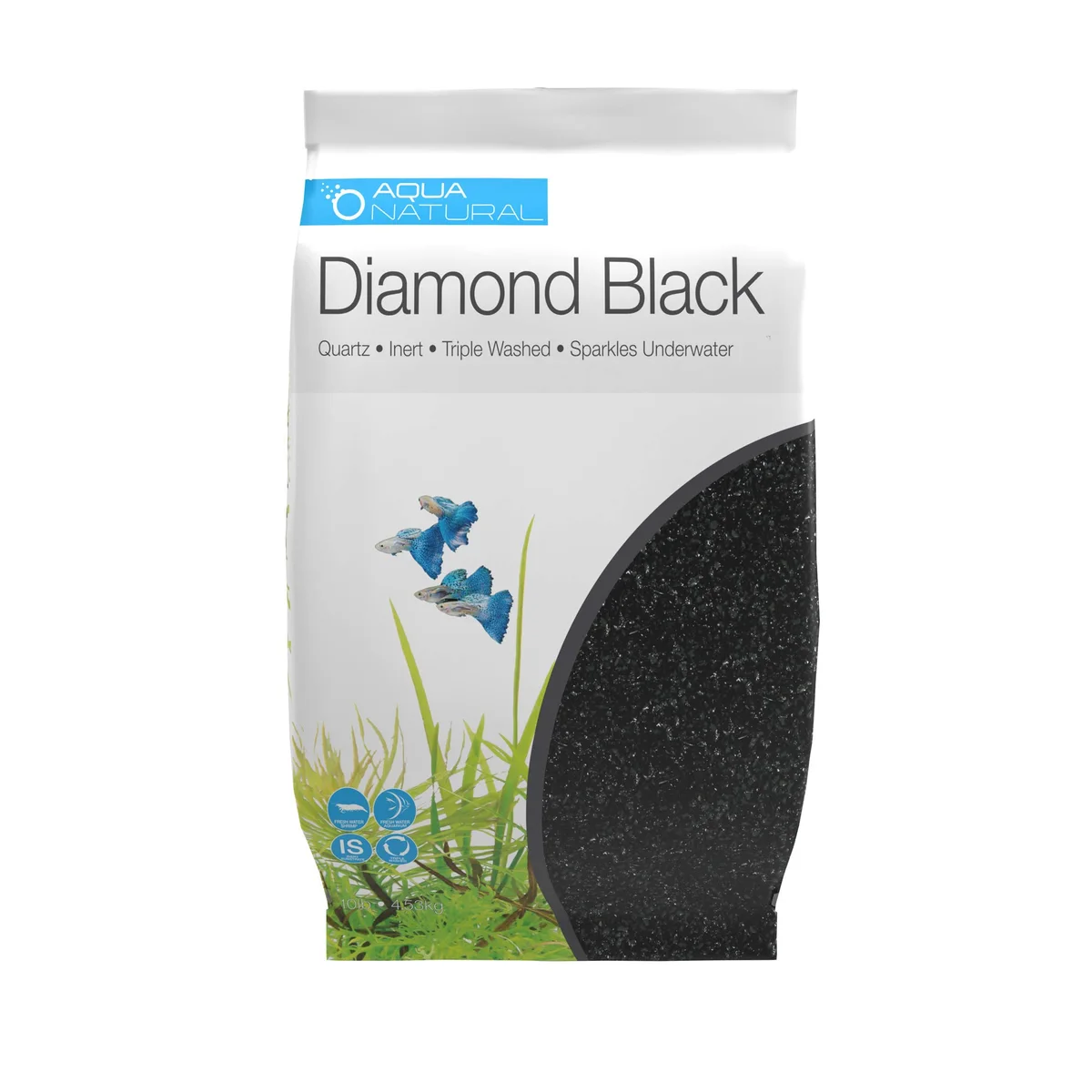 Black sand creates strong contrast against pale pellets, so it can make feeding checks less frustrating. It also hides some dark waste, which is a reason to use a siphon deliberately rather than trusting appearances. Confirm that the listing is the freshwater aquarium sand you intend to buy. Rinse slowly and test the filled tank for any unexpected change before adding the animal. Pros: dramatic contrast for light food and a tidy-looking floor. Cons: hidden debris is harder to spot, and dust may take several filter changes to remove.
Imagitarium Black Aquarium Sand
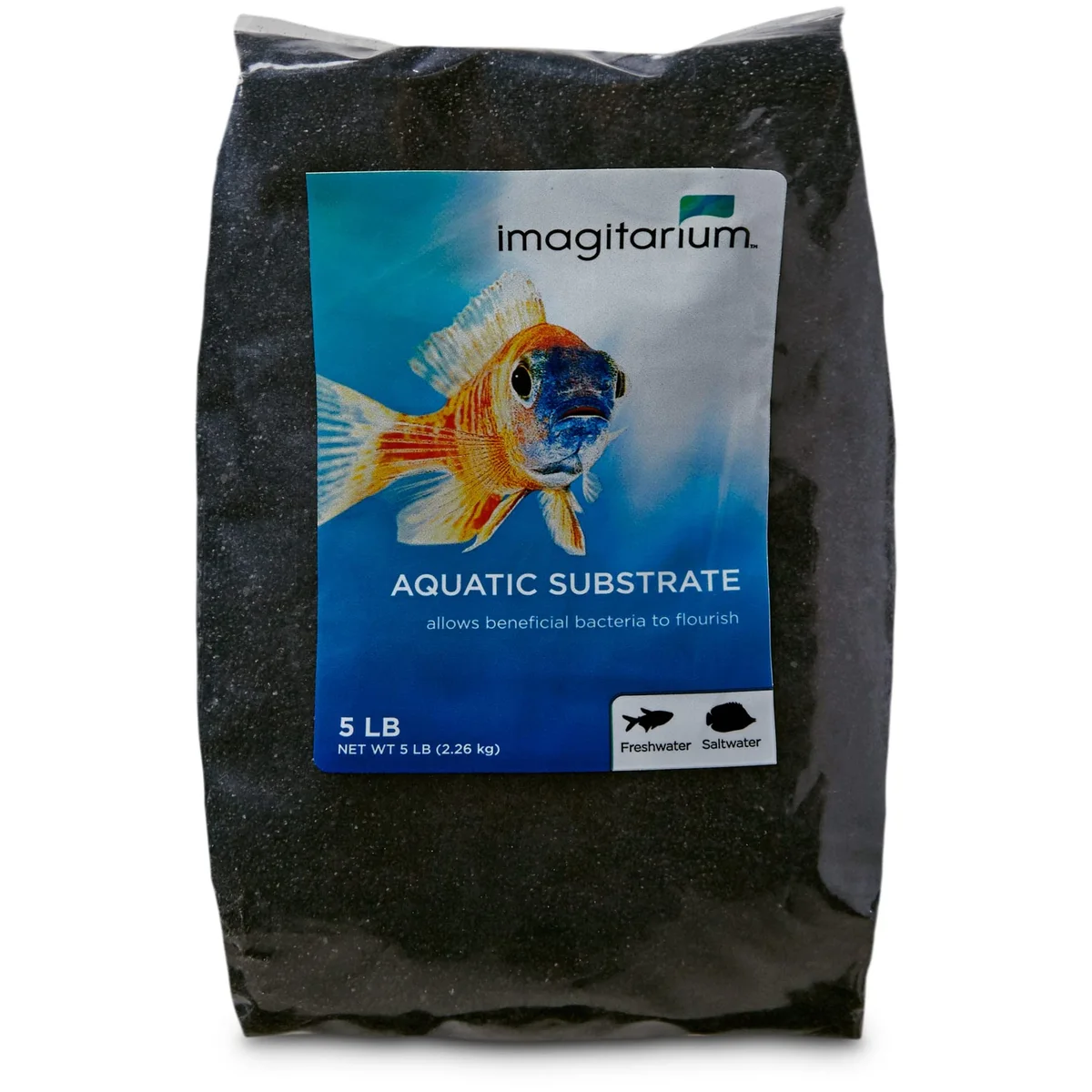 This is a sensible pick if you want a plain refresh without a planted-soil dosing routine. Treat the product name as a starting point, not proof that every bag has the same feel. Spread a small sample on a plate, wet it, and check for sharp fragments. Use a narrow siphon during water changes so the sand stays in place. Pros: familiar retail format and a low-complexity setup. Cons: color and grain details need checking on the current package, especially when ordering a different variant.
CaribSea Super Naturals Moonlight Sand
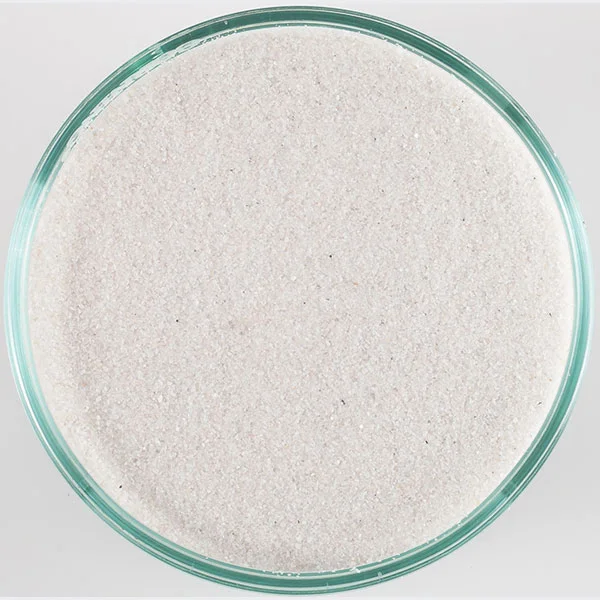 Moonlight Sand offers a bright floor that makes a dark axolotl and food easy to locate. That visibility is useful during feeding, although pale sand can show algae quickly. Keep the layer thin, inspect the dry grains and rinse until the water loses most of its dust. Use a siphon just above the surface during changes. Pros: smooth-sand format and clear feeding visibility. Cons: the light color exposes every mark, so expect more spot cleaning than with a darker bed.
Aqueon Plant and Shrimp Aquarium Substrate
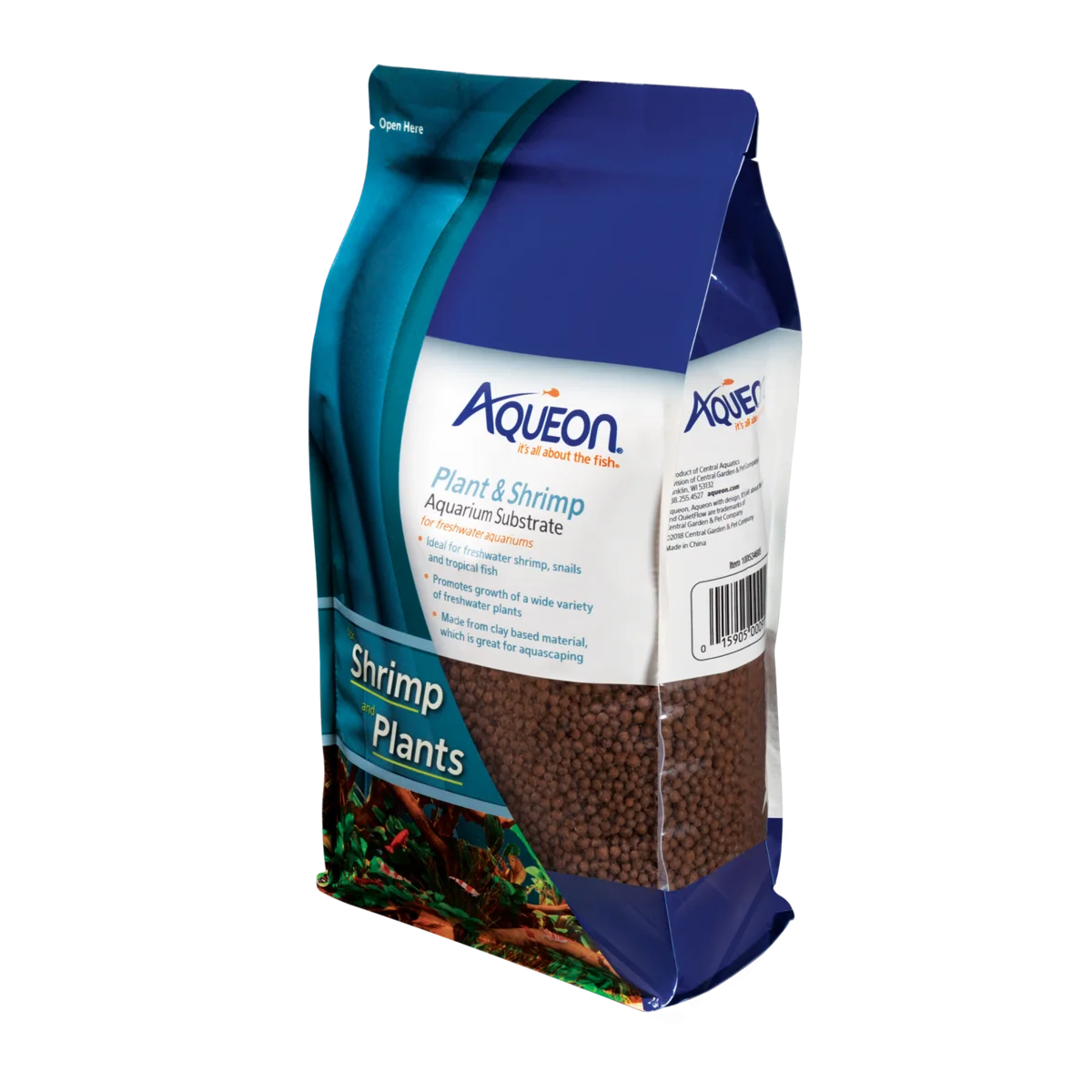 Aqueon Plant and Shrimp Aquarium Substrate can suit a keeper who wants a restrained floor and no nutrient-soil claims. Verify the color and particle description on the exact listing, then wet-test a handful. A bare bottom remains the safer fallback if the grains feel sharp or large. Keep decor stable so an axolotl cannot trap itself underneath it. Pros: uncomplicated design and easy access for spot cleaning. Cons: the product line includes different variants, so a generic search result is not enough evidence of texture.
Buying criteria for axolotls
Start with ingestion risk. Do not use standard gravel, crushed coral, sharp decorative chips or any piece that could fit in an axolotl’s mouth. Smooth fine sand is the common compromise, but bare glass is valid and often easier to keep clean. A bare floor also makes plant anchoring harder. Use potted plants, attached epiphytes or heavy decor to hold stems until roots establish. If you use sand, keep it shallow enough to siphon and do not build a deep anaerobic pocket.
Rinse inert sand in small batches. Add water slowly over a saucer. During maintenance, hover the siphon above the surface and pinch the hose when sand starts to rise. Check behind hides after every feeding. Any product marketed as active, buffering or nutrient rich deserves extra caution because it may alter water values or break down differently. Test ammonia, nitrite, nitrate and pH after setup. No substrate replaces filtration, temperature control or regular water changes.
Frequently asked questions
Is bare bottom better than sand for an axolotl?
It is easier to inspect and clean, and it removes the swallowing concern. Sand can look more natural and give plants a place to root, but it demands careful depth and siphoning.
Can axolotls swallow fine sand?
They can mouth it while feeding. Use a smooth aquarium product, keep the layer modest, and remove any material that clumps, feels sharp or contains large grains.
How do I anchor plants without dangerous gravel?
Use pots, smooth stones that cannot be swallowed, suction-cup holders or plants attached to wood. Keep roots and decor accessible for cleaning.
Does axolotl sand need a deep bed?
No. Choose the least depth that gives the appearance or plant support you need. Deep beds trap more waste and are harder to inspect.
Recommendation
For most axolotl keepers, choose a smooth CaribSea sand in a shallow layer, or keep the tank bare if cleanup and risk reduction matter most. Skip coarse gravel and treat fractured planted media as a specialist compromise, not a default.
Sources and methodology
We checked product descriptions from CaribSea, AquaNatural, Imagitarium, and Aqueon. We compared stated material type, intended aquarium use, texture warnings and maintenance implications. No hands-on testing was performed, and no price or stock claim is implied.