
Buying guide
Best aquarium algae scraper for acrylic
Acrylic scratches easily. Choose a cleaner with an acrylic-safe pad or plastic edge, and keep sand and grit away from the cleaning face.
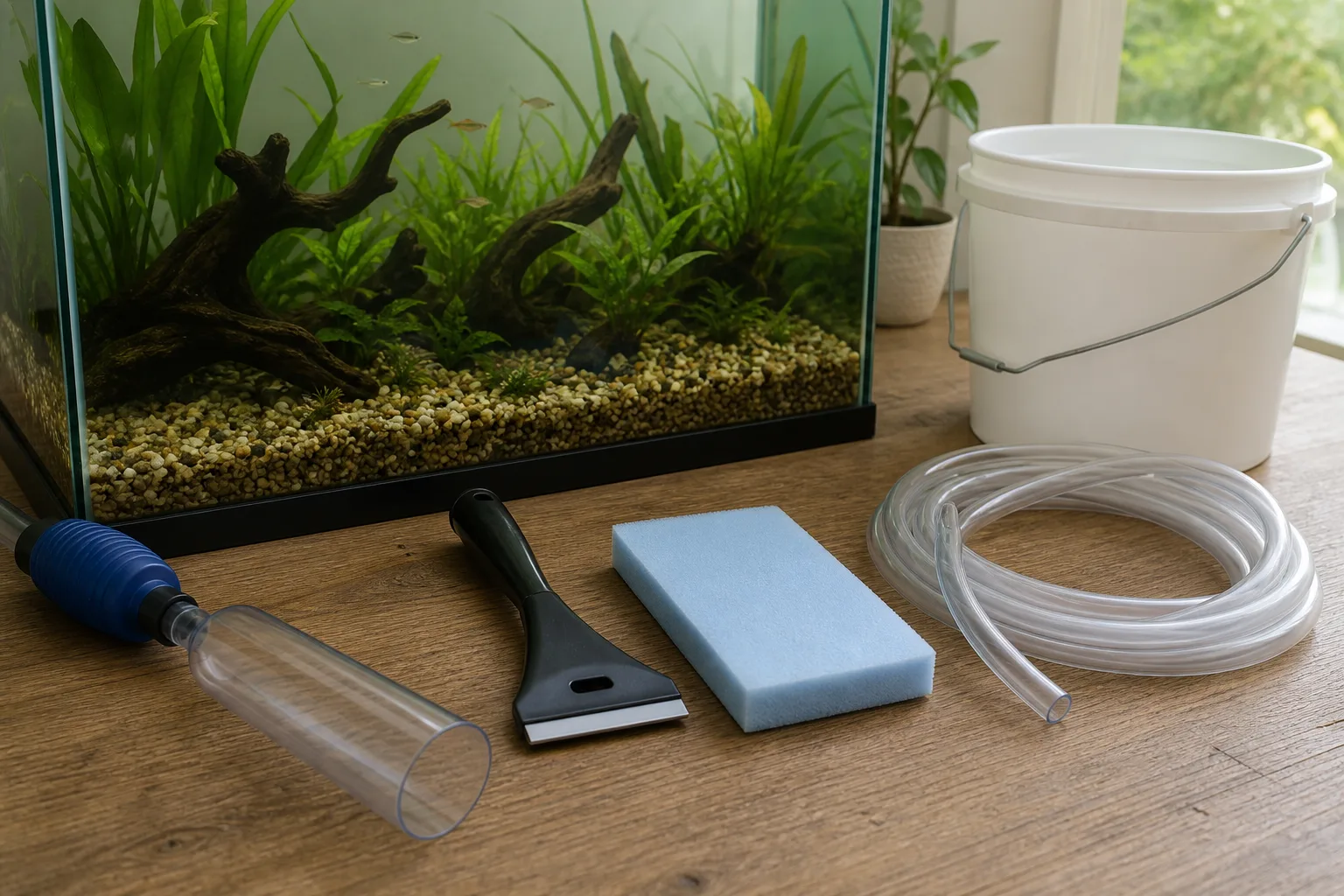
Choose an aquarium cleaner that names acrylic compatibility and uses a soft pad or plastic edge. Glass-only metal blades are out. So are magnetic cleaners used after a grain of sand gets trapped under the inside half. The seven options below cover hands-off magnetic cleaning, hand-held pads, plastic razor edges and one liquid cleaner for light film. This is a research-based guide, not a hands-on test. Verify the current model and material instructions before ordering.
Quick comparison
| Product | Tool type | Main drawback |
|---|---|---|
| Flipper Standard Magnetic Aquarium Cleaner | Magnetic pad and plastic edge | Keep grit out of the pad |
| Mag-Float Acrylic Aquarium Cleaner | Acrylic-rated magnet | Match size to the panel |
| Tunze Care Magnet Long | Magnetic cleaner | Confirm acrylic insert |
| Hobby Aquaristics Plastic Blade Scraper | Hand-held plastic blade | Needs careful angle control |
| Marina Algae Pad | Soft hand pad | Slower on hard film |
| API SAFE & EASY Aquarium Cleaner | Liquid cleaner | Rinse and follow label directions |
| Aqueon Algae Cleaning Magnet | Magnetic pad | Check acrylic suitability |
Our picks
Flipper Standard Magnetic Aquarium Cleaner
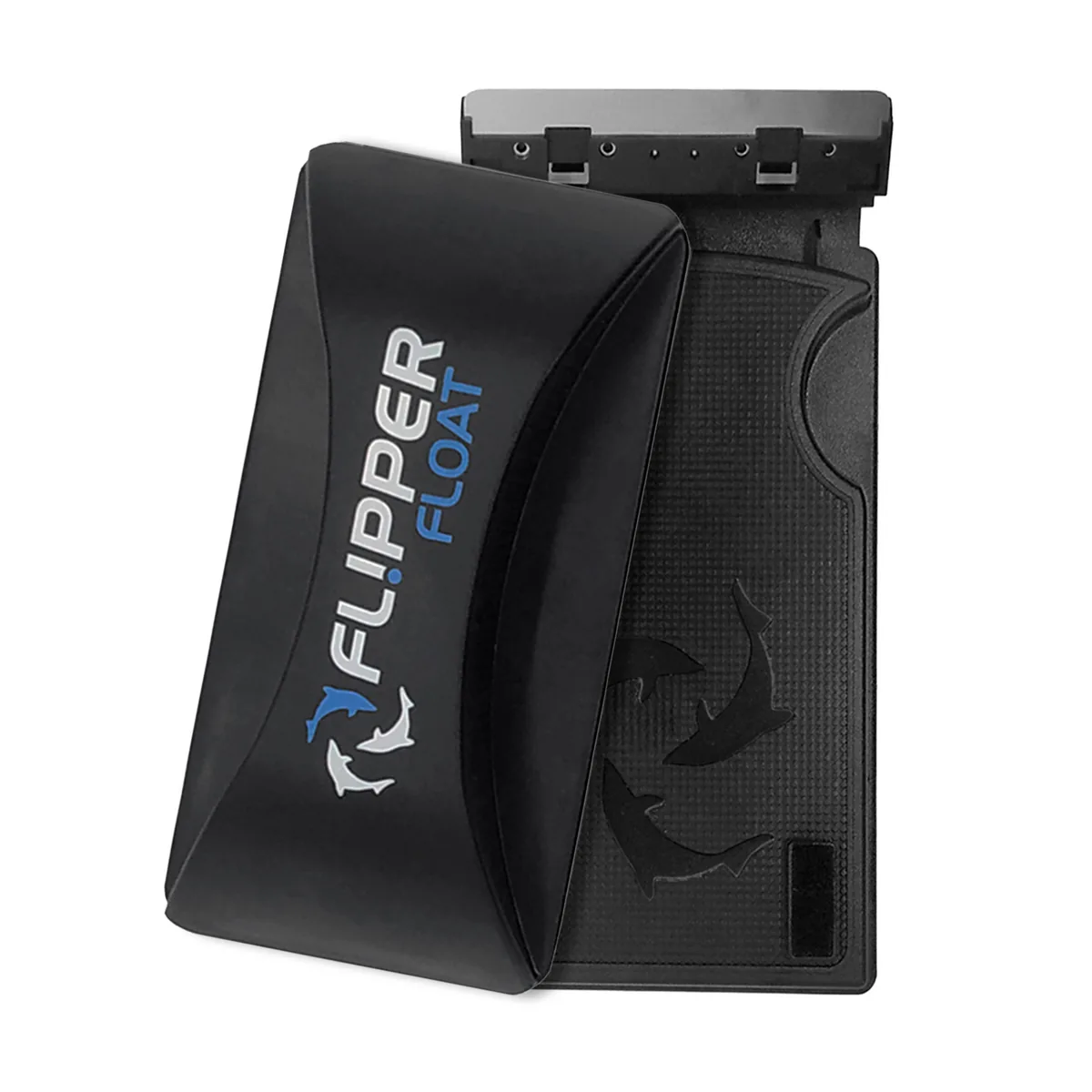 Flipper is the first place to look if you want a magnetic cleaner that can stay in the tank and make short maintenance passes less of a chore. The model matters. Flipper sells versions for different panel materials, and its plastic edge is the relevant feature for acrylic. Do not assume every included blade is safe for every tank. Before each pass, check the inside pad for sand, shell fragments or dried debris. Pros: cleans from outside the panel; useful plastic edge; easy to keep nearby. Cons: a trapped grain can scratch acrylic, so inspect it every time.
Mag-Float Acrylic Aquarium Cleaner
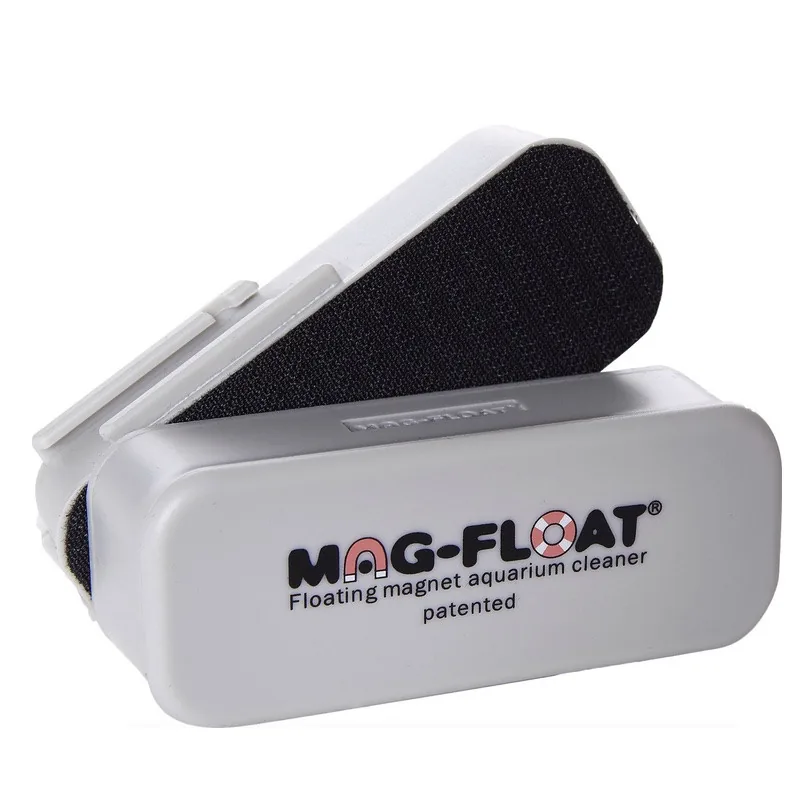 The acrylic version of Mag-Float is a sensible routine cleaner for owners who prefer a separate magnetic pad over a long handle. Match the cleaner’s size to the thickness of the acrylic panel and read the manufacturer’s material guidance. Use gentle, straight passes rather than grinding at one stubborn spot. If the inner half falls into the substrate, pull it out and rinse it before reconnecting. Pros: hands-off outside movement; acrylic-specific model; good for regular film. Cons: magnet strength and pad size vary by model, so the generic product name is not enough at checkout.
Tunze Care Magnet Long
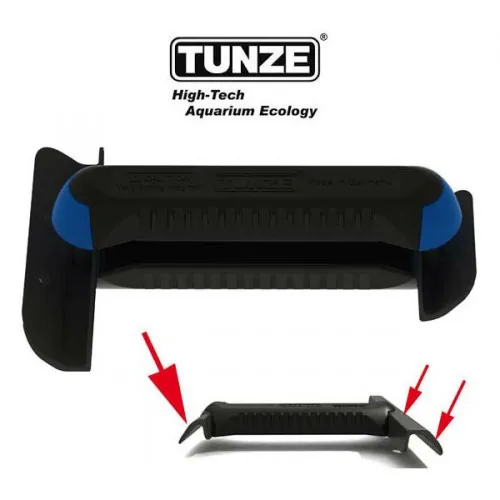 Tunze Care Magnet Long is worth considering when you need reach along a tall acrylic panel and want to keep your hand dry. Choose the version and insert intended for acrylic, since magnetic cleaners can have different faces for different surfaces. The long format helps with the back wall, but it does not remove the need to slow down around seams, braces and corners. Pros: useful reach; magnetic operation; replaceable parts may extend the cleaner’s life. Cons: confirm the acrylic-safe configuration rather than buying the first Care Magnet listing.
Hobby Aquaristics Plastic Blade Scraper
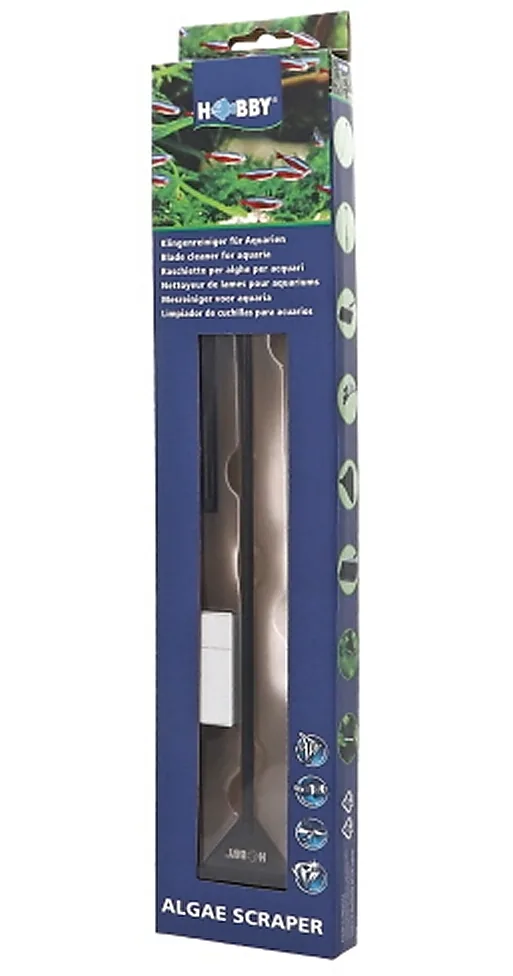 A plastic blade gives you more direct control than a magnet when film has dried near a corner or waterline. Look for a scraper sold with replaceable plastic blades, not a metal aquarium razor with a plastic handle. Hold the edge nearly flat and use short strokes. The goal is to lift the algae, not wedge the blade into the acrylic. Rinse the blade after use and replace it when its edge becomes nicked. Pros: precise control; plastic edge; useful around trim. Cons: requires a steady hand and a clean blade.
Marina Algae Pad
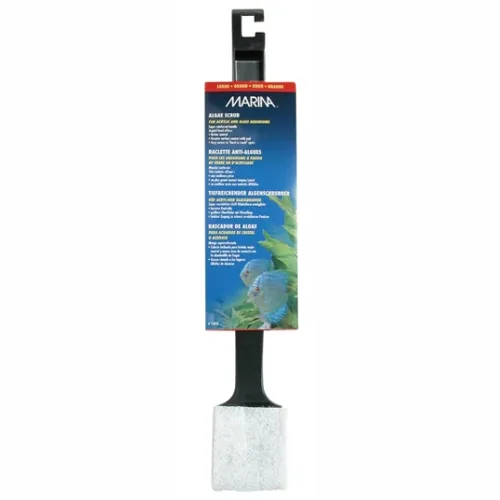 Marina Algae Pad is the low-tech choice for light film and a careful first pass. A soft pad is less aggressive than a blade, which makes it useful when you are worried about marks or working around fittings. Confirm that the exact pad is approved for acrylic, then reserve it for the aquarium. Do not let it touch the floor, bucket or gravel between passes. Pros: simple; inexpensive format; gentle when clean. Cons: slower against hard deposits and easy to contaminate with grit.
API SAFE & EASY Aquarium Cleaner
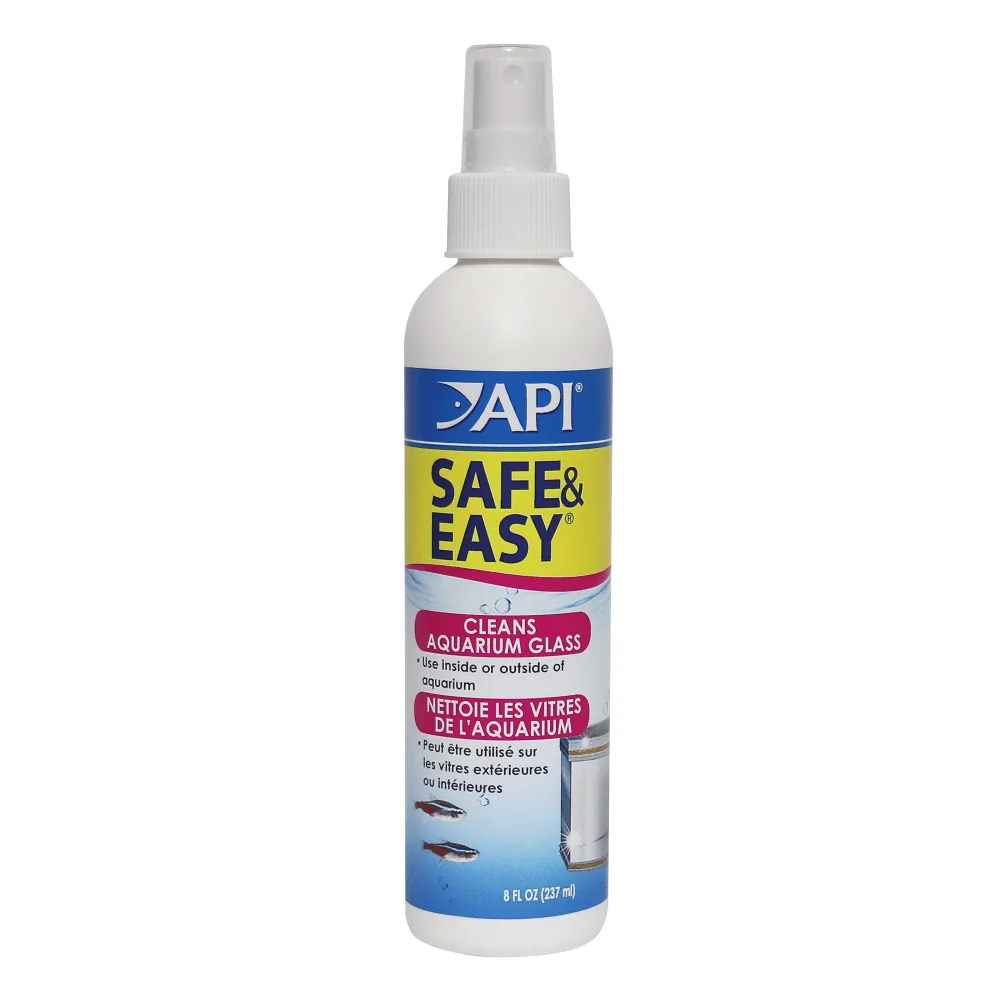 API SAFE & EASY is a liquid option for aquarists who want help with light deposits on aquarium surfaces and equipment. It is not a scraper, so it cannot replace a pad for established algae. Use it only as the label allows, keep it away from livestock and rinse surfaces thoroughly before they return to service. A liquid cleaner makes most sense for marks outside the water or for maintenance between mechanical passes. Pros: no blade; useful for light residue; works as part of a gentle routine. Cons: it is a cleaner, not a tool for thick algae, and label directions control the safe use.
Aqueon Algae Cleaning Magnet
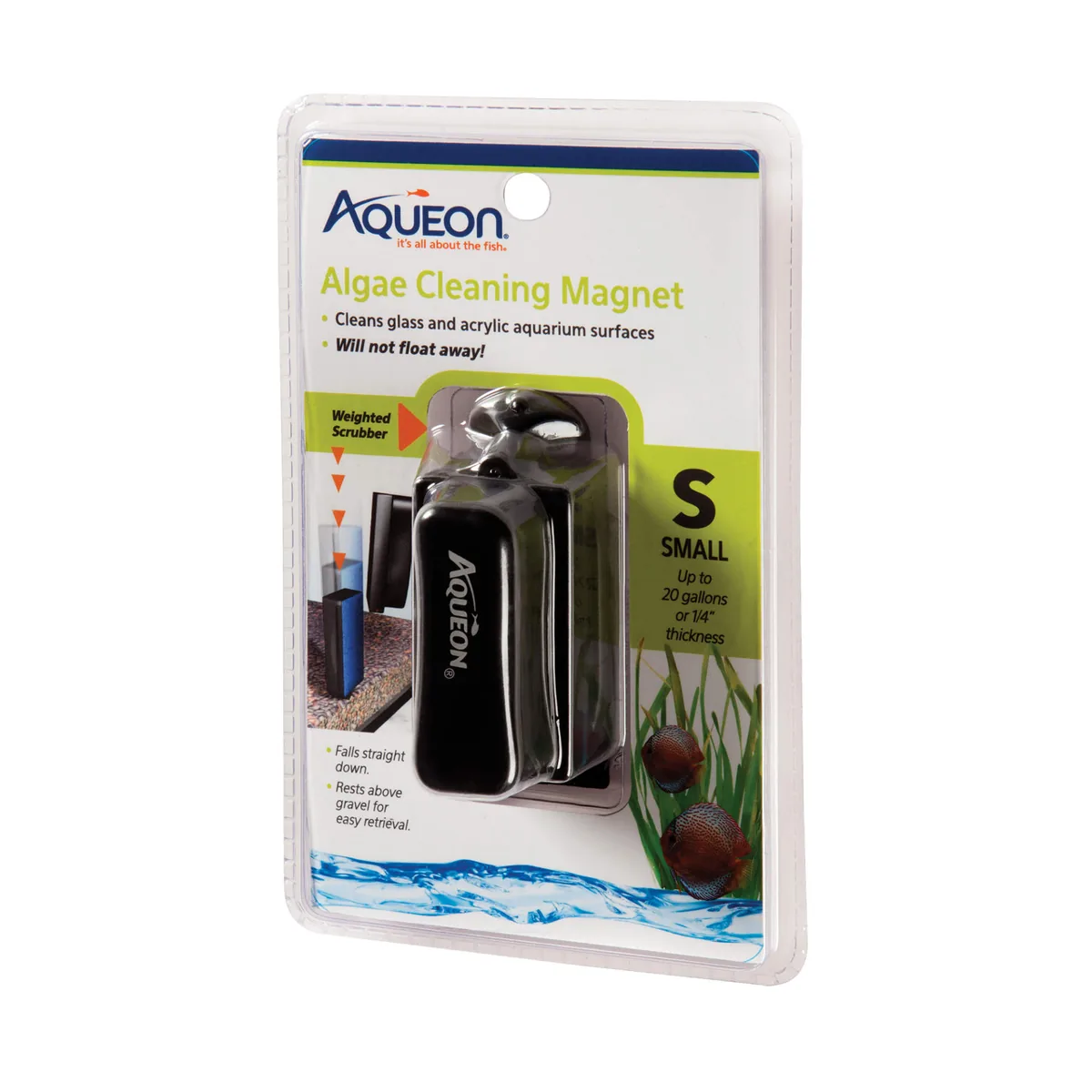 Aqueon’s magnetic cleaner can suit quick passes on a compatible acrylic tank, but compatibility is the decision point. Check the current package for an acrylic-safe pad and use the smallest model that handles your panel. Magnetic cleaners are convenient, yet they also carry the highest grit risk because the inside half travels across the wall. Detach it before moving the outer half across sand. Pros: quick routine cleaning; outside operation; familiar design. Cons: only suitable when the current pad and tank thickness match.
How to clean acrylic without scratches
Start with the least aggressive method that can do the job. A soft pad handles a thin film. A plastic blade helps with a small hard deposit. A magnet saves time on regular passes. Liquid cleaner belongs on compatible surfaces and equipment, not as a shortcut for scraping thick growth.
Keep a dedicated bucket and towel for cleaning tools. Rinse the pad in aquarium water or clean water before it touches the panel. If a magnet drops into sand, do not drag it back up the wall. Lift it away, rinse both faces and inspect them in good light. One trapped grain can leave a long scratch.
Work around seams and braces with short strokes. Acrylic can haze or mark from pressure even when the tool itself is labelled safe. Clean a small test area first, especially when the panel is old, coated or made from an unfamiliar plastic. Never use a glass-only metal blade on acrylic.
Frequently asked questions
Can I use a metal algae scraper on acrylic?
No. Choose a tool that explicitly names acrylic compatibility and uses a soft pad or plastic edge. A metal blade intended for glass can scratch acrylic.
Are magnetic cleaners safe for acrylic?
Some are. Check the exact model and pad, then keep sand and grit away from the inside half. Magnetic operation alone does not make a cleaner acrylic-safe.
Is a plastic razor safe for aquarium acrylic?
It can be, when the manufacturer sells the blade for that material and you keep the edge clean. Use light pressure and a shallow angle.
Should I use a pad or a scraper?
Use a pad for light film and a plastic scraper for a small hard deposit. A pad is gentler, while a scraper needs more control.
Can I use a household glass cleaner?
Do not use it in or around the aquarium unless the product label specifically covers that use. Choose an aquarium cleaner and follow its directions.
Recommendation
For regular acrylic maintenance, choose the acrylic model of Mag-Float or Flipper and inspect the inside face before every pass. Keep a dedicated soft pad for light film and a plastic blade for occasional stubborn spots. Skip metal and glass-only tools entirely.
Sources and methodology
We reviewed product and material information from Flipper, Mag-Float, Tunze, API, Marina, and Aqueon. We compared tool type, acrylic compatibility, grit risk, reach and maintenance control. No hands-on testing was performed. Product images are category visuals and may not depict exact branded models.